
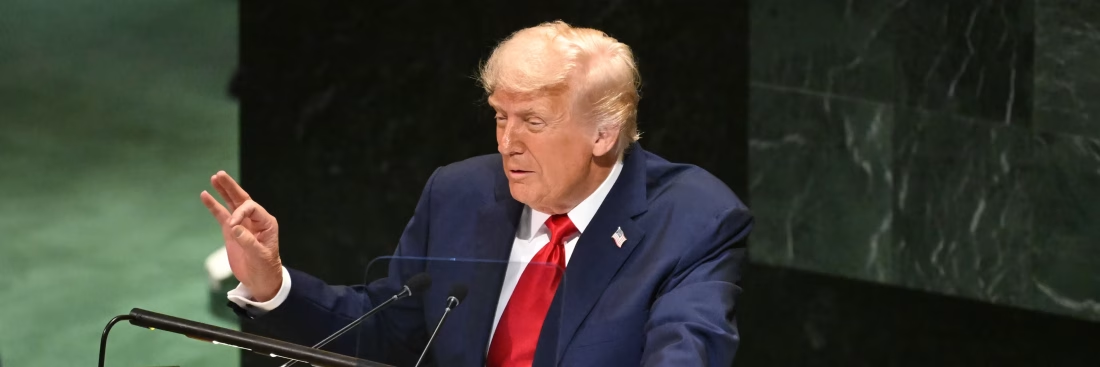
 Figure 1 – Source: The Conversation)
These are two of the main issues of concern that came out in President Trump’s speech to the UN, as reflected by the White House highlight:
Climate Change:
-
-
- “I’m telling you that if you don’t get away from the ‘green energy’ scam, your country is going to fail. If you don’t stop people that you’ve never seen before that you have nothing in common with, your country is going to fail.” (Watch)
- “The challenge with trade is much the same as with climate: the countries that followed the rules, all their factories have been plundered… by countries that broke the rules. That’s why the United States is now applying tariffs to other countries.” (Watch)
-
Globalization:
-
-
- “What makes the world so beautiful is that each country is unique — but to stay this way, every sovereign nation must have the right to control their own borders.” (Watch)
- “The entire globalist concept of asking successful, industrialized nations to inflict pain on themselves and radically disrupt their entire societies must be rejected completely 4and totally — and it must be immediate.” (Watch)
-
The response by executives of the oil and gas industry was different than expected (Oil and gas executives sour on their cheerleader-in-chief – POLITICO):
President Donald Trump used the world stage this week to sell American oil and gas. But U.S. oil and gas producers are increasingly feeling sour about the president.
A quarterly survey of oil and gas companies released today by the Federal Reserve Bank of Dallas quotes industry executives who blast Trump on everything from tariffs and policy uncertainty to his attacks on renewable energy.
“Life is long, and the sword being wielded against the renewables industry right now will likely boomerang back in 3.5 years against traditional energy,” wrote one unnamed executive.
The global response was overwhelming:
At a climate summit at the United Nations on Wednesday, the vast majority of the world’s nations gathered to make their newest pledges to reduce planet-warming greenhouse gas emissions over the next decade.
Geopolitical heavyweights including China, Russia, Japan and Germany were there. Dozens of small island states were there. The world’s poorest countries, including Chad and the Central African Republic, were there. Venezuela, Syria, Iran — there, too.
The United States was not.
The implications of the US “defining” climate change as non-existent, in advance of the coming COP30 meeting in Brazil (scheduled to start November 10th) are predictable, especially after the State Department negotiators were fired:
The Trump administration fired the last of the US climate negotiators earlier this month, helping cement America’s withdrawal from international climate diplomacy. It may also have handed a huge victory to China.
The elimination of the State Department’s Office of Global Change — which represents the United States in climate change negotiations between countries — leaves the world’s largest historical polluter with no official presence at one of the most consequential climate summits in a decade: COP30, the annual UN climate talks in Belém, Brazil, in November.
Without State’s climate staff in place, even Capitol Hill lawmakers who usually attend the summits have been unable to get accredited, a source familiar with the process said.
To support the presidential US positions, facts and data need to be “eliminated” (Energy chief suggests Trump administration is altering previously published climate reports | CNN)
Energy Sec. Chris Wright said Tuesday night the Trump administration is updating the National Climate Assessments that have been previously published, which the administration recently removed from government websites.
“We’re reviewing them, and we will come out with updated reports on those and with comments on those reports,” Wright told CNN’s Kaitlan Collins in an interview on “The Source.”
However, it seems that inertia is irreversible in this case, as seen in Figure 2.
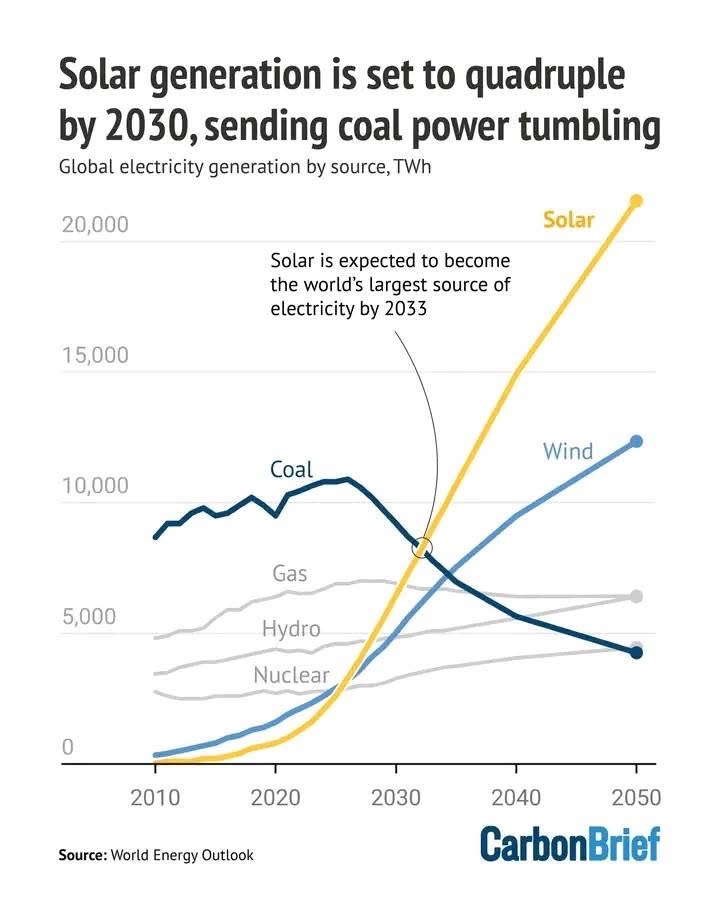
Figure 2 – Global electricity generation by source
Let’s hope!