
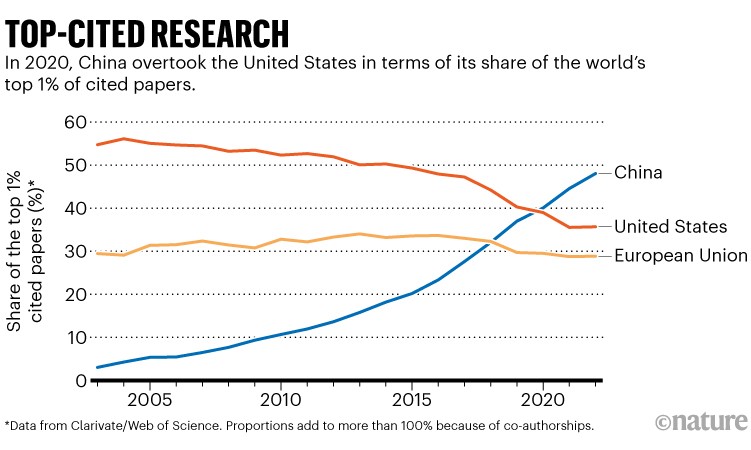
Figure 1 – Cited research by place of origin (Source: Nature)
The world seems to be breaking its reliance on US research and thus on its leadership in mitigating and adapting to changes in global trends. The main shift, as the top figure shows, is a steady decline in productive research (in terms of citations of publications) by the US, with a corresponding increase in Chinese research. This trend preceded both Trump presidencies but seems to be expanding and accelerating with Trump’s second term. The summary below is focused on the recent balance with Europe:
-
Summary
-
EU governments prepare to go it alone on some data after Trump cuts
-
Data on sea-level rise and extreme weather events put at risk by cuts to NOAA
-
Efforts builds on “guerrilla archiving” – a dash by independent scientists to preserve U.S. data
BRUSSELS/WASHINGTON/BERLIN, August 1 (Reuters) – European governments are taking steps to break their dependence on critical scientific data the United States historically made freely available to the world, and are ramping up their own data collection systems to monitor climate change and weather extremes, according to Reuters interviews.
The effort – which has not been previously reported – marks the most concrete response from the European Union and other European governments so far to the U.S. government’s retreat from scientific research under President Donald Trump’s administration.
Research plays a big role in understanding existential trends and thus finding effective ways for society to minimize current and predicted danger. These strategies include mitigation, adaptation, and training all elements of society with new sets of applicable skills. One of the best examples of this rests in the effort to address climate change. The state of these efforts has been addressed throughout this blog. Below is a short description by AI (through Google) of the advancements that have resulted from these efforts:
Science is tackling climate change effects through advancements like shifting to renewable energy sources (solar, wind), developing carbon capture technologies, promoting sustainable agriculture to reduce farm emissions, and creating more energy-efficient systems in homes and transportation. Other efforts include improving waste management to reduce pollution, designing smart cities for better urban planning, and using AI and data science to monitor and predict climate impacts. Scientists are also focused on food innovation, such as cultured meat and plant-based diets, to reduce the footprint of our food systems.
The federal agencies that personify this research efforts are the Department of Energy and the National Science Foundation (NSF). The present situation in the Department of Energy, under the new Trump administration, was described in last week’s blog. This blog is focused on the National Science Foundation. Here is how AI (through Google) describes the NSF:
The National Science Foundation (NSF) was established in 1950 as a U.S. federal agency to support non-medical basic research and education, inspired by Vannevar Bush’s 1945 Science, The Endless Frontier report. Signed into law by President Harry S. Truman, the NSF Act of 1950 aimed to foster scientific progress, advance national well-being, and secure the national defense. The NSF is the major source of federal support for university research in many fields and played a key role in the development of the commercial Internet.
This role is now being reversed and it’s going to have major impacts:
The National Science Foundation this week eliminated most of its top career executive positions, with impacted staff either being demoted or reassigned to vacant roles.
NSF initiated a reduction in force to eliminate the Senior Executive Service roles, which will take effect in early October. Employees will not actually be separated from the agency, provided they accept their new assignments.
Attempts to use the judiciary to block the move have failed:
A federal judge in New York declined in a ruling on Friday to order the Trump administration to restore hundreds of millions of dollars in terminated funding that had been awarded to research institutions by the National Science Foundation.
The ruling came in a lawsuit filed in May in which a coalition of 16 states argued that the grants were critical to maintaining the United States as a leader in science, technology, engineering and math, or STEM, subjects, and that the cuts were “in complete derogation of the policies and priorities set by Congress.”
The science foundation had announced policy changes meant to align its mission with that of the broader Trump administration. The changes included updating what the plaintiffs call the foundation’s priority directive to exclude the funding of activities related to diversity, equity and inclusion initiatives.
The suit asked the court to find the foundation’s new priority directive unconstitutional and to issue an injunction blocking further cuts to universities and other higher education institutions.
As was mentioned before, the main role of NSF is to support basic research, which forms the foundation for any applied research that follows. Figure 2 shows specific societal changes that basic research supports.
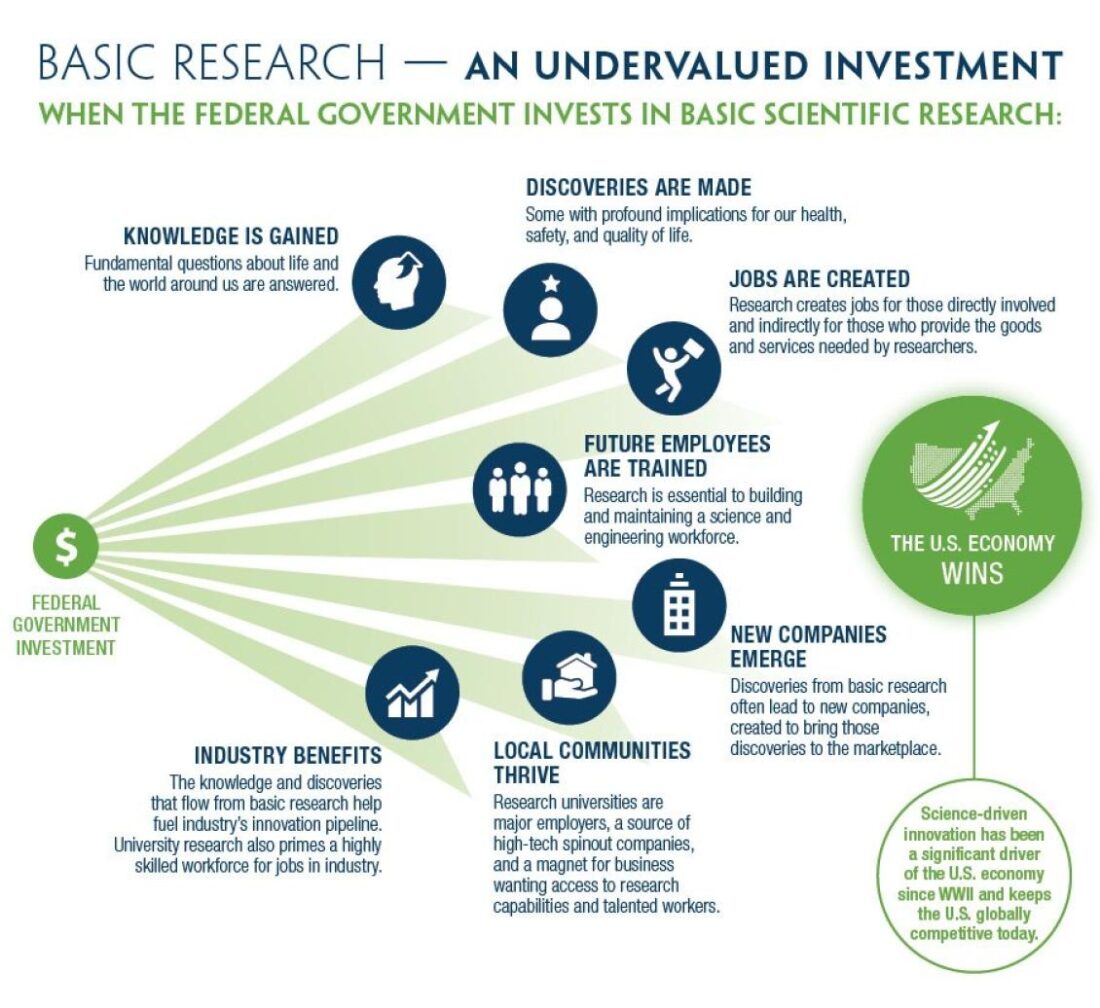 Figure 2 – Basic research (Source: Ohio State University)
The importance of research in training students to adapt to future societal changes, and the role of the federal government in support of this effort, are topics that I discussed in earlier blogs (see a recent series of blogs all titled “The Federal Role in University Research,” dated February 25 – March 11, 2025). Figure 3 shows the evolution of (or in the terms of the NYT, “the increased dependence on”) the federal government’s financing of these efforts.
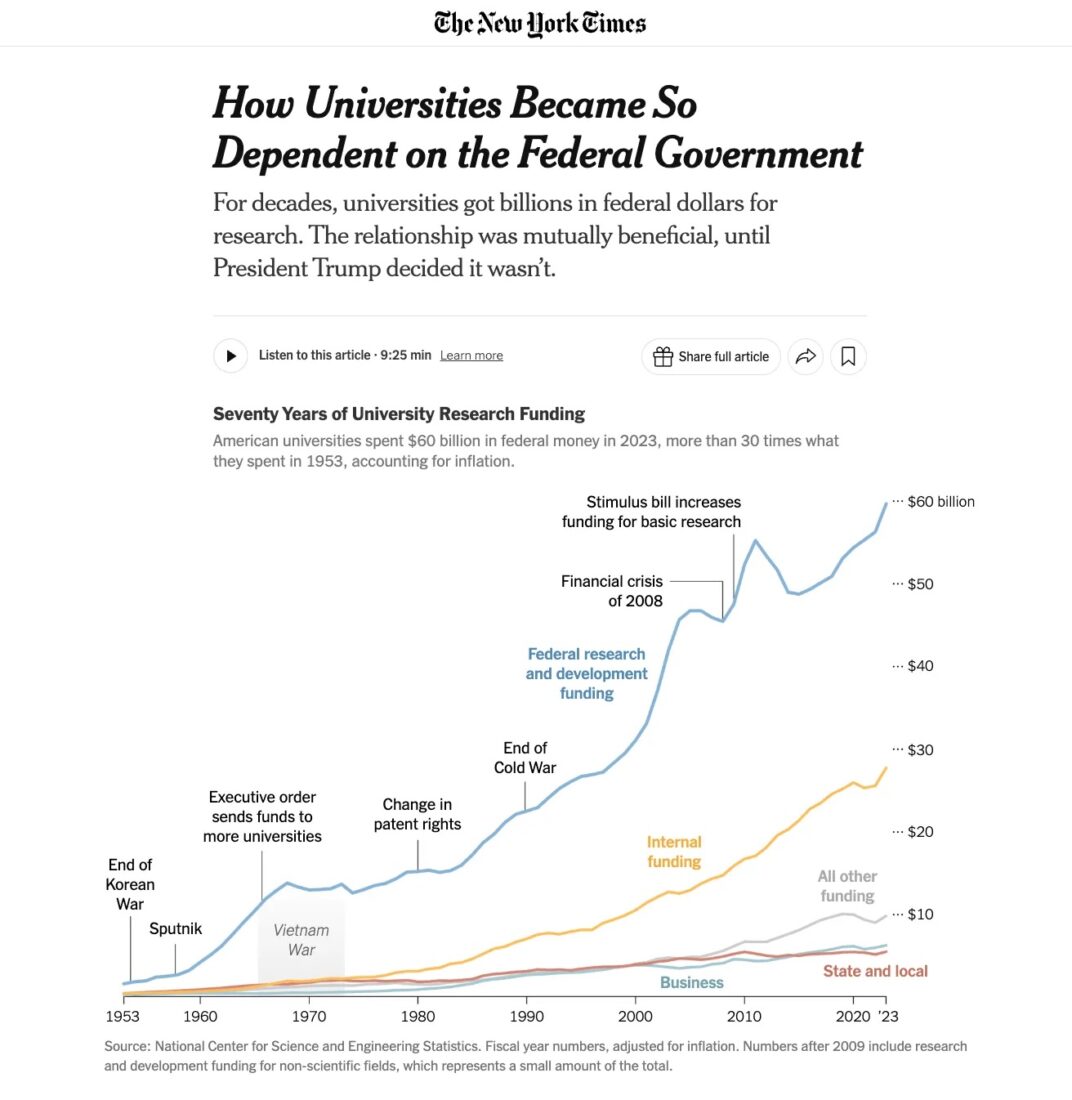 Figure 3 – Seventy years of university research funding (Source: NYT)
The US federal government is now using universities’ financial dependence on grants—which are earned through competitive proposals—to have veto power over the content of the research. The disastrous consequences that such threats impose can be illustrated with the threats on perhaps the greatest accomplishments of university research in the last decade: the detection of gravitational waves as an addition to electromagnetic radiation, as a tool to investigate the universe. Below is the essence of this issue:
More ominously, President Trump has proposed slashing LIGO’s operating budget in 2026 by 40 percent, to $29 million from $48 million, and eliminating one of the antennas. That could spell disaster, as it takes two antennas to triangulate the origins of gravitational waves.
Elimination of the second antenna in LIGO basically makes the detector useless, and fully reliant on detectors in other countries. Under these new policies, America has stopped being the dominant force for global betterment through science.