
I was about to finish this blog when the news broke about the US-Israel attacks on Iran. Those attacks triggered retaliatory attacks on Israel and other Middle Eastern countries that house American bases. However, last week’s blog promised that I would focus on long-term global developments. Time will tell if the present war will fall into that category. I hope that it will not, but like everybody else, I will be following new developments. This blog will focus on some impacts of the global demographic changes that are now taking place.
Every other day, I hit on a headline announcing the “end of natural population growth” in some country. Natural population growth is based on death and birth, and does not include immigration. In other words, its endpoint is when deaths start to outnumber births. Figure 1, from last week’s blog, which I am copying here for reference, shows a global map with projected dates for this transition. In that map, the grouping of places expected to reach the stage sometime during the next century includes a surprising (to me), pairing of Australia and Sweden with some countries in Central Asia and most of Africa.
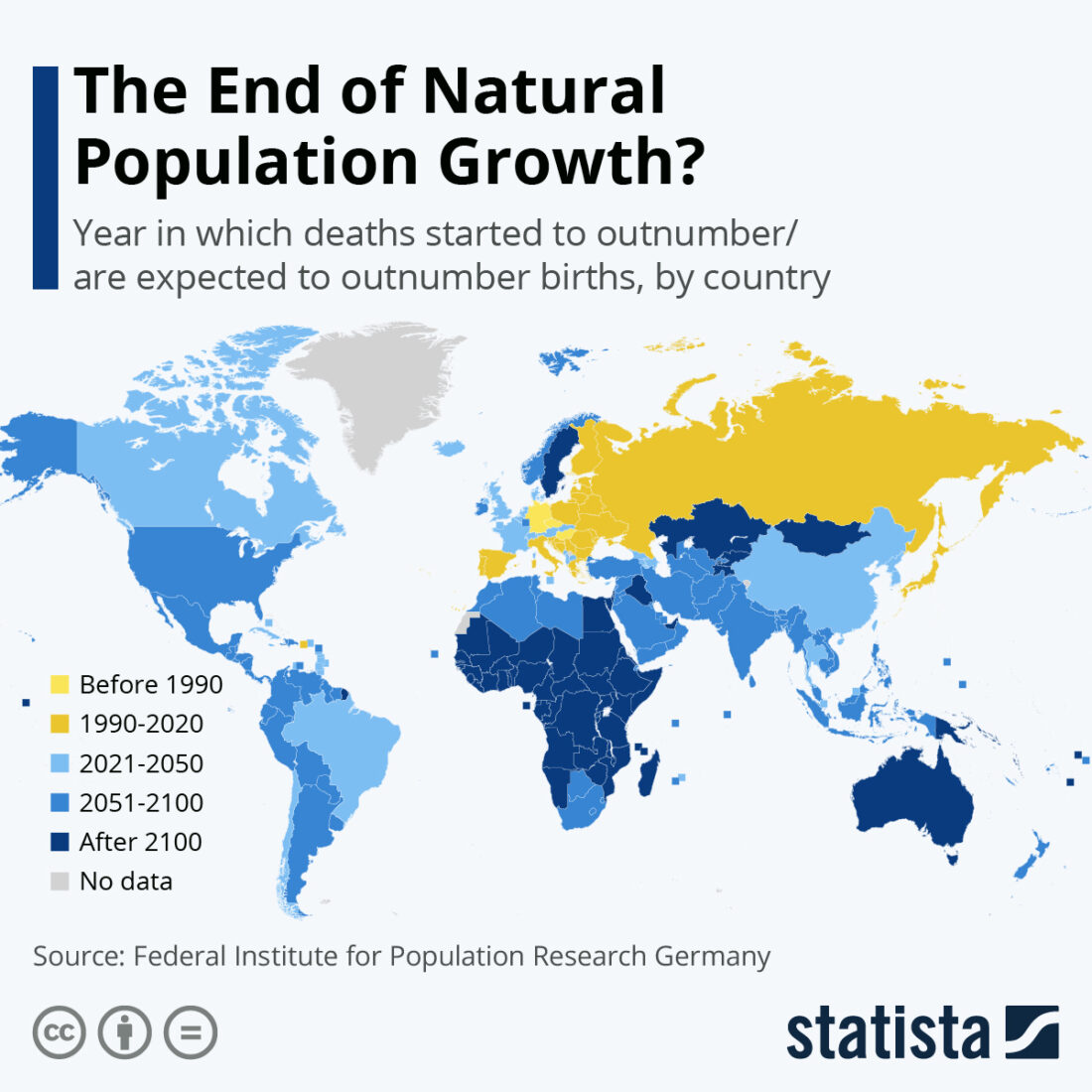 Figure 1
The majority of countries that have already gone through this transition are located in Europe and Asia. Some entries mention the US as an example of an exception. Figure 2, taken from The Economist, shows the situation in the US. We are fast approaching this situation, and migration no longer seems to be functioning as a remedy. I am also citing three paragraphs from the same article.
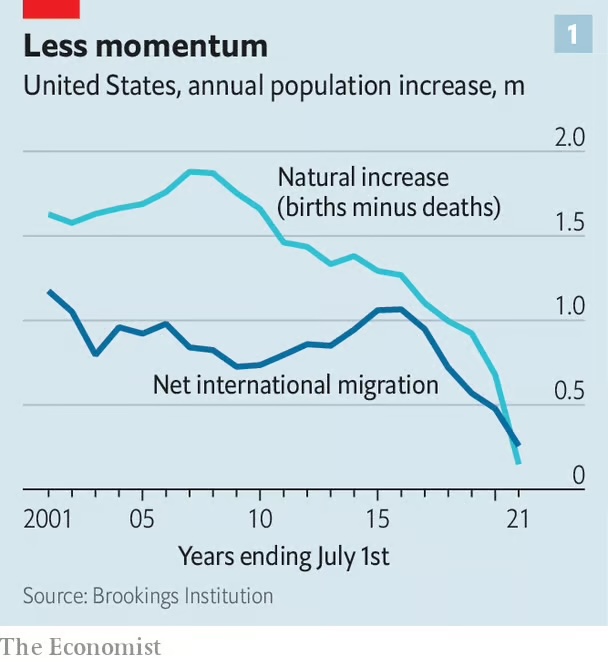 Figure 2 – Population increase in the US
America is stagnating—demographically, that is
Demographers elsewhere might wonder what the fuss is about. America’s population is still rising, unlike that in Russia and Japan. Even at the modest growth rates of 2010-20 (when the US population expanded by 7%), the number of Americans could increase over the next 40 years to over 410m, from 332m in 2021.
But among rich countries, the United States has long been an outlier, with relatively high and rising fertility, robust immigration and an expanding labour force. Trends that Europeans view without anxiety can seem alarming to Americans accustomed to demographic dynamism. Nicholas Eberstadt, at the American Enterprise Institute, a think-tank, fears the possibility of “indefinite population decline barring only offsetting immigration”. Monica Duffy Toft of Tufts University even asked if America might collapse under the weight of its demographic stagnation, as the Soviet Union did (she concluded it wouldn’t).
Against that background, it makes sense to consider what the data from the ten-year census of 2020 actually say about the severity of the population downturn. A county’s population increase or decline is determined by two trends: natural increase (births minus deaths) and net migration (arrivals from abroad minus those returning home). Both are falling.
Figure 3 examines the role that international migration plays in these developments. In-migration is decreasing; out-migration is increasing. Migration is a central focus of the present Trump administration. Data from the end of the Biden administration and the beginning of the second Trump administration are estimates.
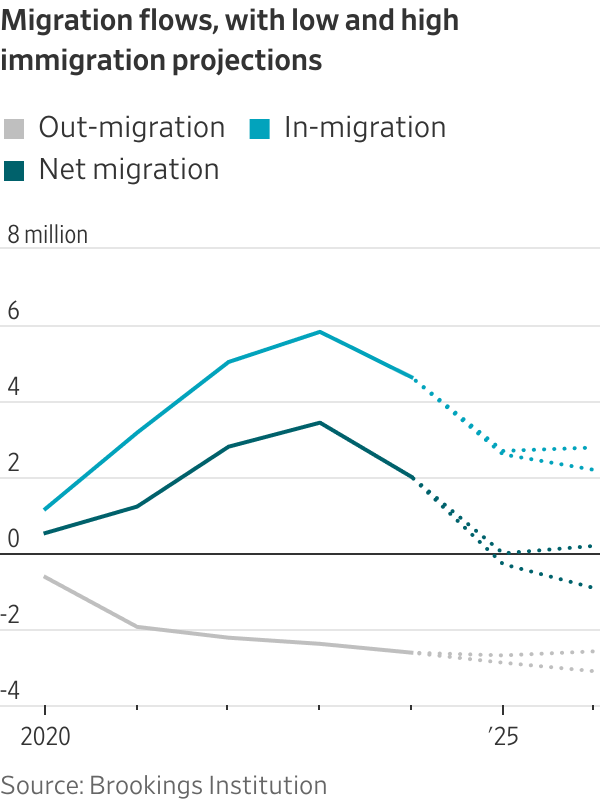
Figure 3 – Migration in and out of the US (Source: MSN)
The net results of Figures 2 and 3 show that the end of population growth has not yet happened in the US, but is quickly approaching. In all countries that have either passed or are approaching the end of natural population growth, the population pyramids (see the February 13, 2024, blog) results in a major increase in the elderly population, a decrease in the younger population, and, as a result, a decrease in the population of active workers. Figure 4 shows the consequences in the US. We passed the tipping point, in which the number of retirees in the US surpassed the number of active workers around 2011 (Figure 4).
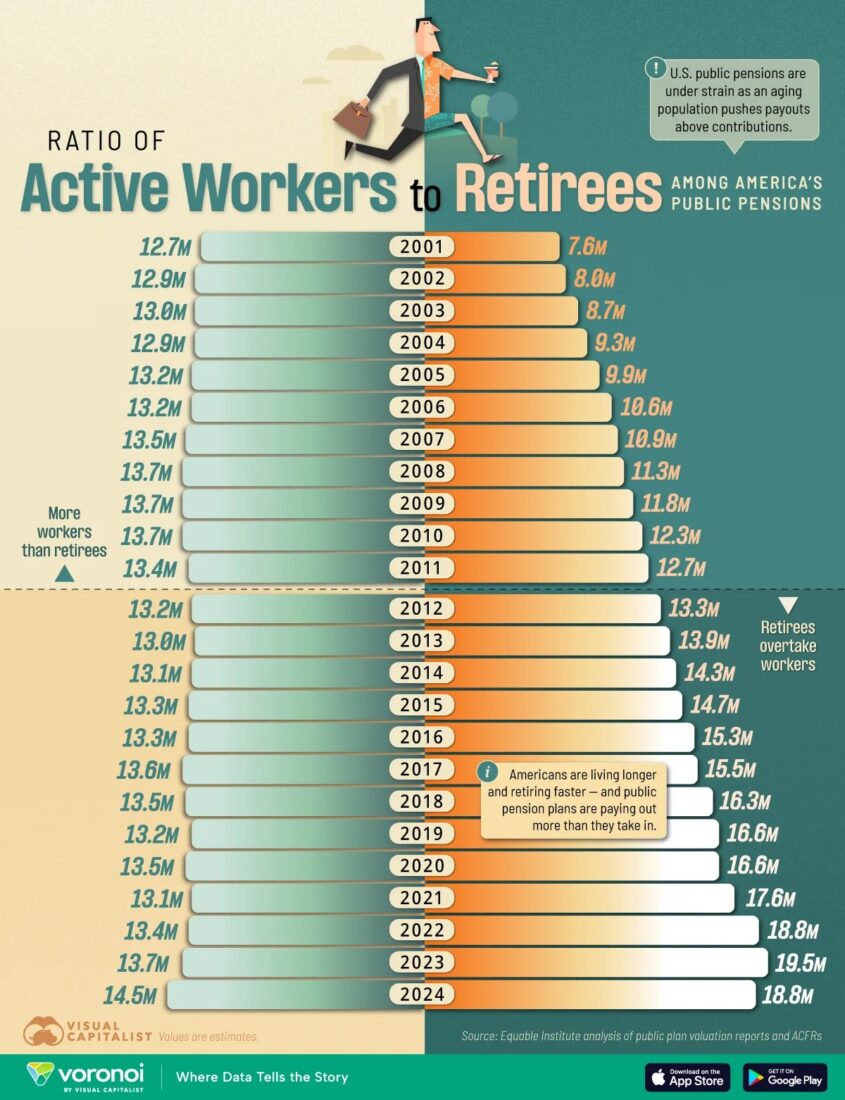
Figure 4 – Ratio of active workers to retirees (Source: Visual Capitalist)
Pension systems are increasingly reliant on investment returns. Meanwhile, the share of the federal budget spent on Social Security and Medicare/Medicaid, targeted at old people, is now approaching 50%.
Investment returns and the rising costs of the federal government in terms of increased share of interest payment and spending on defense, require a larger workforce. In preparation for the predicted increased shortage of workforce, more emphasis is being shifted to robotics and improved productivity. Next week’s blog will focus on steps that various countries are now taking to mitigate the effects of their shifting demographics. One interesting shift is that since a shortage of workers needs to be accompanied by an increase in wealth, it must be accompanied by a major increase in productivity. The only practical way to achieve this is to develop robots and AI to replace humans to do some of the work. Almost all businesses require a supply chain to operate. If some of the components of that supply chain constitute robots (or AI), some of the business of advertising needs to be addressed to robots instead of humans. This transition is already starting to take place
Will you be selling and marketing to robots in the future? Most people would laugh at the idea, but with global spending on robots expected to reach $241.4 billion by 2023, per IDC, and major tech players investing heavily in voice, AR & VR, the possibility might not be too far off in the future.
Traditional marketing is all about the consumer. Marketers spend endless hours creating engaging storytelling and elaborate campaign activations in order to connect with the consumer. Marketers don’t just want to sell a brand; they want the brand and customer to have a relationship. Brand loyalty is the ultimate goal.
But, this traditional method of marketing is about to change, and marketers will need to add Business to Robot to Consumer (B2R2C) to their list of duties.
There is still some confusion between ads directed at robots and those directed, through training, at consumers who use robots. I am certain that this distinction will become clearer with time.
Great article, i really enjoy reading it, i hope you post more, keep up the good wok , https://fr.frompo.com/ is gona come follow you for more , nice reading it.
I like the efforts you have put in this, regards for all the great content.
Beneficial support for companies improving export efficiency