In an earlier blog (“’The Day After’: Electricity”, June 25, 2024), I compared the global energy increase with the increase in electricity consumption. Figure 3 from that blog is repeated here as Figure 1. Both quantities increase linearly; however, electricity generation increases much faster than energy consumption.
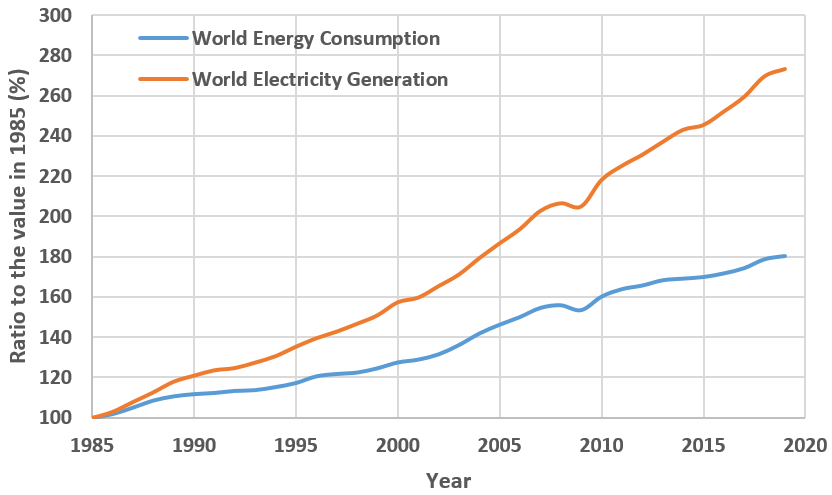
Figure 1 – Global energy consumption and electricity consumption, 1985-2020 (Repeated from June 25, 2024 blog)
This happens largely due to two factors. First, the energy transition away from fossil fuels is most easily achieved through converting as much of the energy use as possible to electricity. Second, the digital transition that the world is experiencing needs to be powered by electricity. The emergence of AI in the digital transition also requires the extensive and expensive training of systems like large language models (LLMs), much of which happens in data centers. However, while we continue to hear about these new developments, there seems to be limited attention on the fact that millions of people in developing countries still haven’t finished the transition to electricity use. A short history of electricity use can be found in Electricity Plans. The wide use of electricity started to develop in the second half of the 19th century, following the efforts of three scientists: James Clerk Maxwell (Scottish, 1831 – 1879), who showed that electricity, magnetism, and light originate from a single source; Thomas Edison (American, 1847 – 1931), who invented the incandescent light bulb (shown in 1879); and Nicola Tesla (Croatian, 1856 – 1943), who developed the alternating current system.
The present global state of access to electricity is shown 0n Wikipedia.
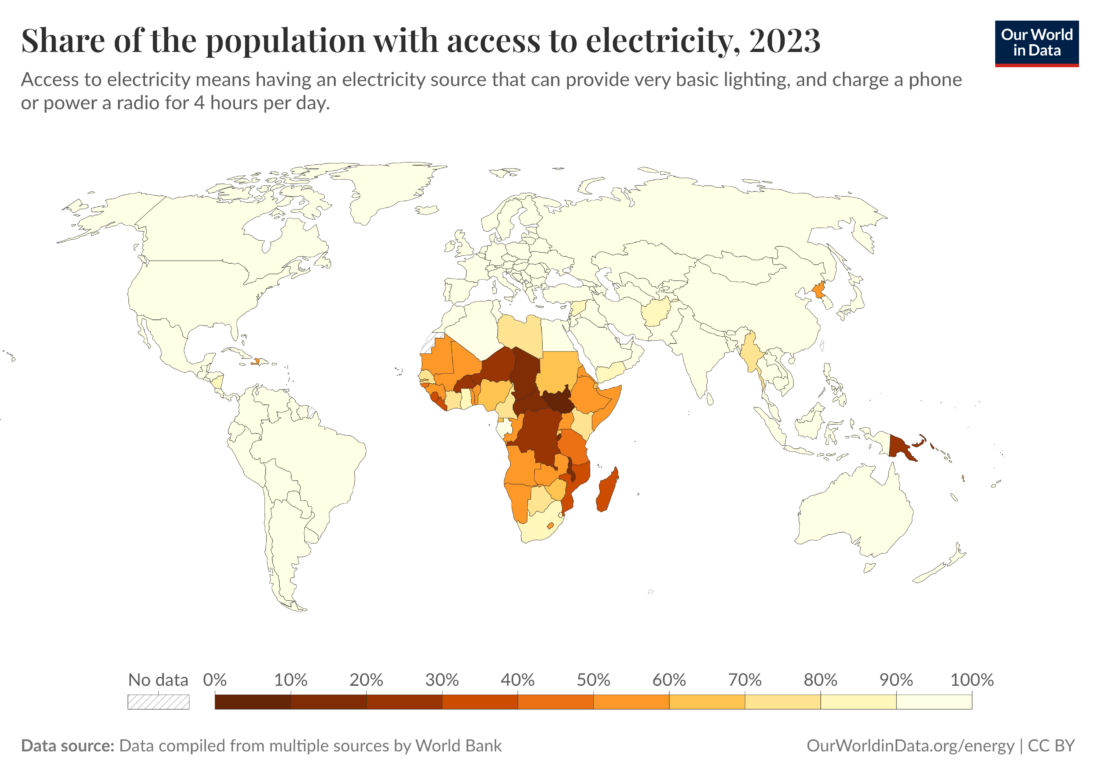
Figure 2 – Global access to electricity, 2023 (Source: Our World in Data via Wikipedia)
The extent of global spread by region is shown in Figure 2. The two countries outside Africa whose populations have the lowest access to electricity are Haiti (47% in 2021, up to 51% by 2023) and Papua New Guinea (21%).
Table 1 – Share of population with access to electricity (Source: Wikipedia)
| Regions | In % (total population) | In % (urban population) | In % (rural population) | Year |
| North America | 100 | 100 | 100 | 2021 |
| European Union | 100 | 100 | 100 | 2021 |
| Europe and Central Asia | 100 | 100 | 100 | 2021 |
| South Asia | 98.8 | 99.9 | 98,3 | 2021 |
| East Asia and Pacific | 98.2 | 99.8 | 96,8 | 2021 |
| Latin America and Caribbean | 98.1 | 99,5 | 96,5 | 2021 |
| Middle East and North Africa | 97.3 | 99,6 | 93.9 | 2021 |
| Sub-Saharan Africa | 50.6 | 80.7 | 30,4 | 2021 |
The situation in Africa is shown in Figure 3:
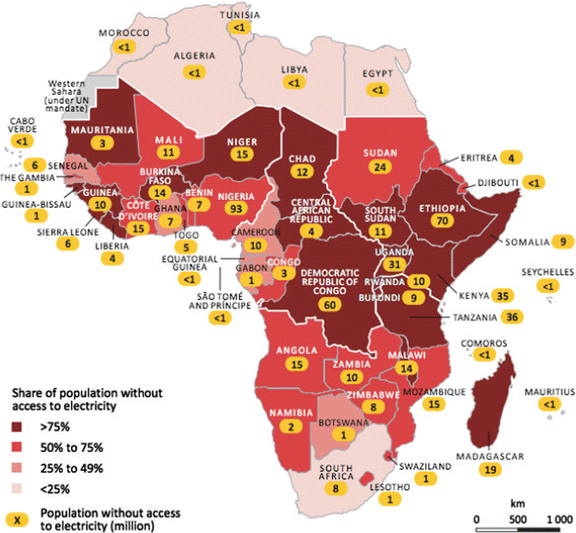
Figure 3 – The electrification of Africa (Source: ResearchGate)
Now, we are facing another global revolution in energy use, which includes digitization in the form of robotics and AI. Will this revolution include developing countries? Looking at the global distribution of data sources, shown in Figure 4, we see that they concentrate in the US and Europe. However, we also see them in South Asia—in India, China, and Indonesia, which together account for close to half of the global population.
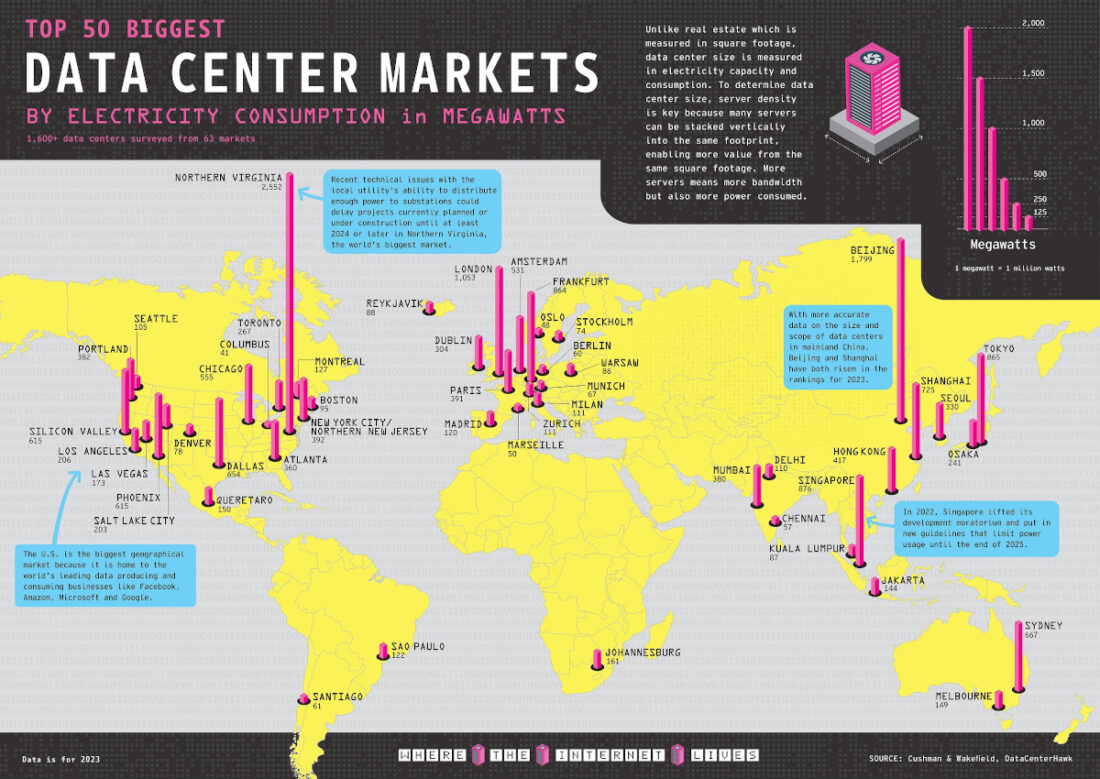
Figure 4 – Global map of data centers (Source: Visual Capitalist)
Some of the implications of this distribution are summarized below:
In the last year alone, AI has surged from a strategic priority to an urgent mandate for business leaders. Enterprise leaders are moving past pilot programs and future forecasts, leaning into the power of AI to completely reshape operations, redefine workflows, and rewrite the rules of competition.
AI is no longer just a tool, it’s a force multiplier—capable of unlocking hidden opportunities, accelerating efficiencies, and empowering a workforce hungry for the next era of productivity.
But the path toward successful AI adoption is not always the same from business to business. Where some leaders see opportunity, others see unnecessary risk or inefficiencies.
It is the industrial version of what homeowners might do to get through a hurricane. Only in this case, some technology companies are planning to rely on off-grid gas power for many years.
This is happening as electricity is becoming a major political issue, with fights breaking out over how much energy costs, where it comes from and who ought to pay for what. Data centers, which consume huge amounts of energy, are at the center of these debates.
Going off grid was no one’s first choice. Off-grid power generally costs a lot more, partly because developers need to install more equipment than will be used at any one time in case machines break or need servicing. A lot of this gear is also less efficient than the airplane-size machines used at big power plants, meaning it needs to burn more gas to generate the same amount of electricity.
Public resistance to data centers isn’t driven as much by electricity prices as conventional wisdom suggests — it’s more about how the giant projects might alter their communities, a new Harvard/MIT poll shows.
Data centers are now driving demand growth at a pace that rivals electrification in transportation and buildings. The scale of this growth has prompted an urgent question for policymakers, utilities, and technology companies alike: can data centers be powered sustainably, without undermining grid reliability or climate goals?
For now, the short answer is no. “We’re not able to power data centers solely with renewable energy right now,” says Brian Nelson, an electrical engineer at ABB who works on grid infrastructure and power systems. Data centers require electricity every hour of every day, and that requirement collides with the intermittent nature of wind and solar generation. Yet, focusing only on whether renewables can meet demand misses the big opportunity to make data centers more sustainable. While a single technology cannot be replacing fossil fuels overnight, the focus should be on how flexibility is increasingly becoming the grid’s most valuable resource. Yet focusing only on whether renewables can meet demand misses the big opportunity to make data centers more sustainable. While a single technology cannot be replacing fossil fuels overnight, the focus should be on how flexibility is increasingly becoming the grid’s most valuable resource.
Tech companies are investing billions of dollars to build energy-hungry data centers at a time when demand for electricity in the United States is already increasing. It has politicians thinking about rising utility bills, not least because voters tend to punish their elected representatives when bills spike.
In January, the White House proposed that tech companies help pay for new power plants added to the grid on their behalf. Senators Josh Hawley, a Missouri Republican, and Richard Blumenthal, a Democrat from Connecticut, introduced a bill last week that would require data centers to build their own energy sources. Other proposals floating around include charging data centers more than households for electricity and banning construction altogether.
Standing before a friendly crowd in March, Elon Musk laid out his plan for the future of his companies, and it was literally out of this world. Musk announced that his space-launch company, SpaceX, which had recently merged with his artificial intelligence company, xAI, would put data centers into orbit around the Earth. It all comes down to electricity, he explained. “You’re power constrained on Earth,” he said. “Space has the advantage that it’s always sunny.”
Unlike electrification, the potential of computational power—in the form of AI and robotics—is being recognized as essential for economic growth. This time, some developing countries don’t want to be left behind. Throughout my blogging life, I have tried to follow the process through developments in India. A summary of India’s electrification efforts is addressed in a previous blog , “Electricity in Developing Countries: Biomass and Availability” (November 19, 2019). My next blog will try to expand this effort by including data centers, AI, and robotics.
 (Source:
 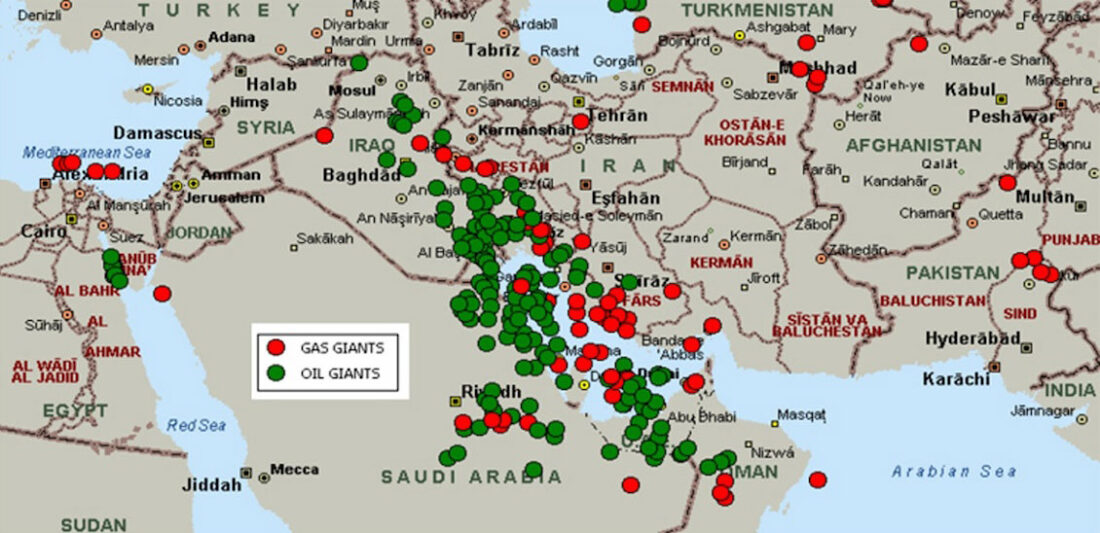 Figure 1 – Map of oil and gas reserves in the Middle East (Source:
 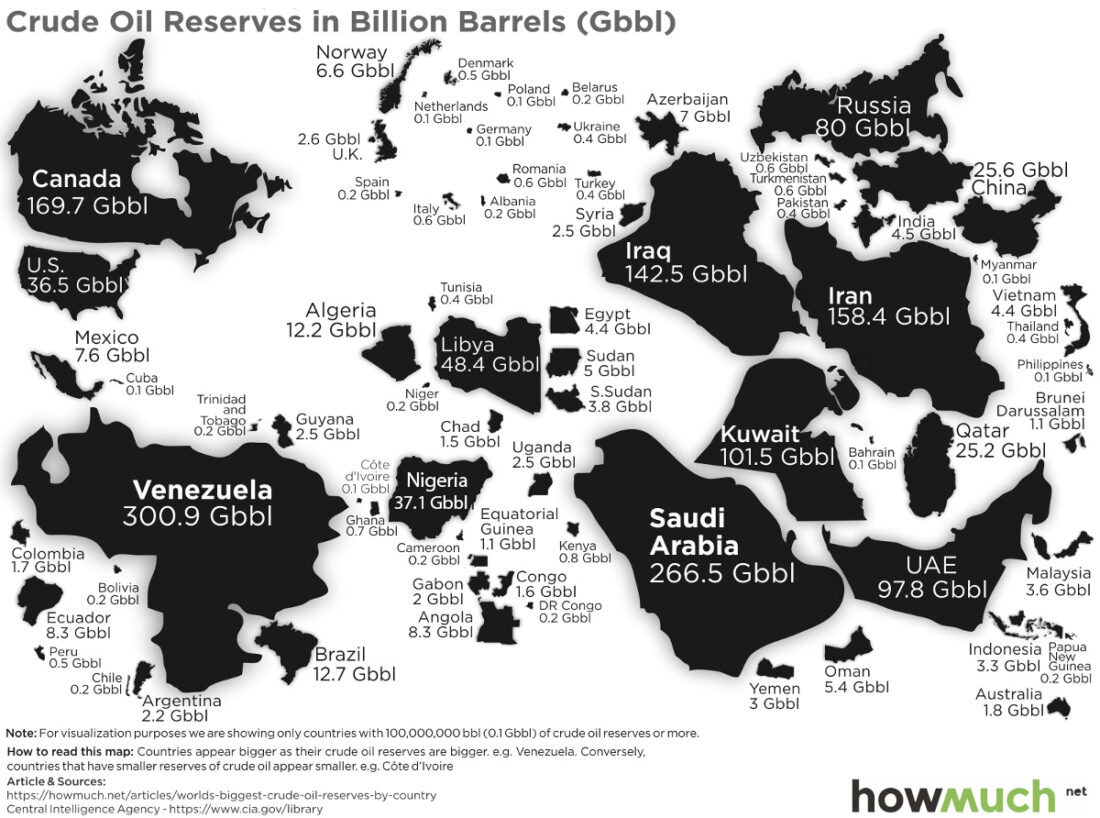 Figure 2 – Global distribution of oil reserves (Source:
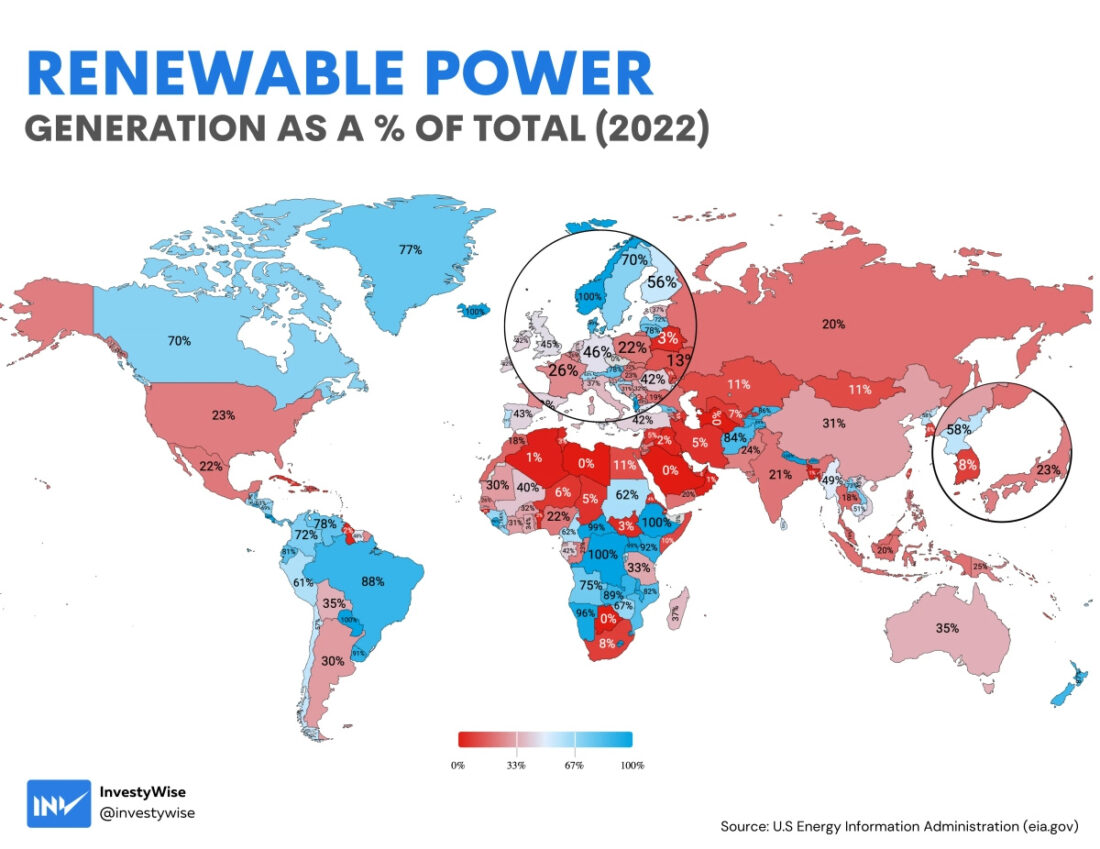 Figure 4 – Renewable energy as a percentage of energy use by country (Source:
 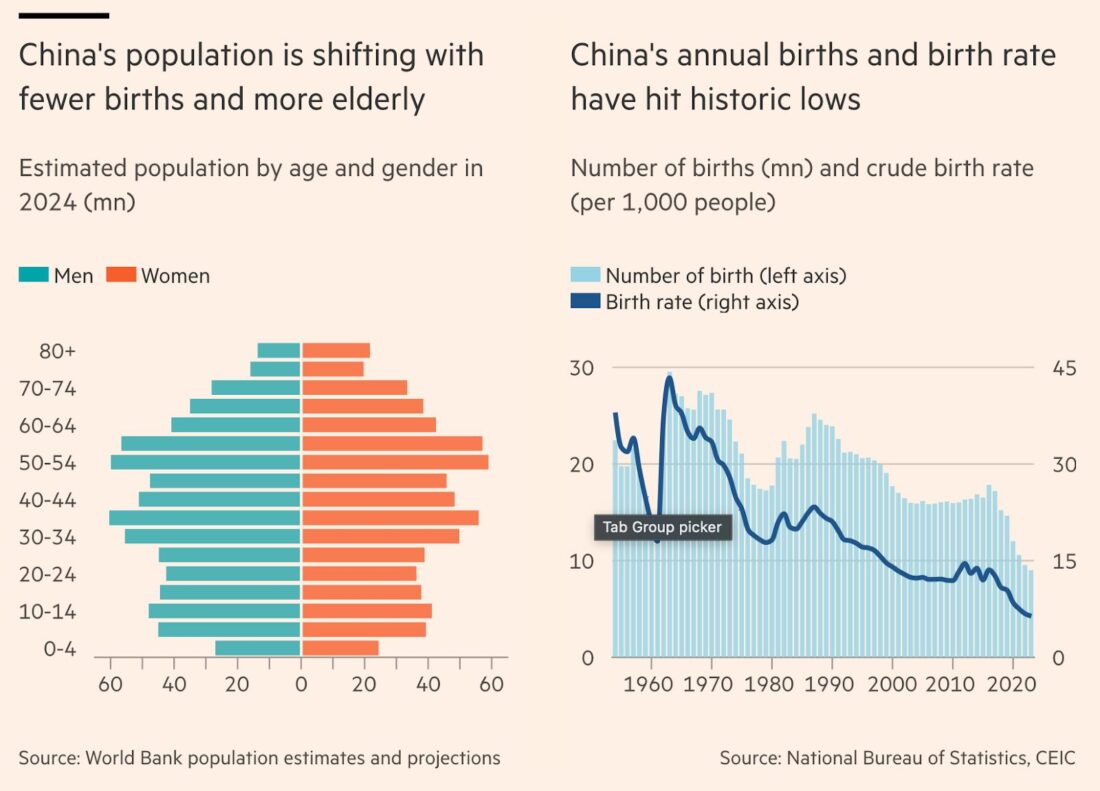 Figure 1 – China’s changes in fertility and a recent population pyramid (Source:
  Figure 1 – Drawing of the Boston Tea Party (Source: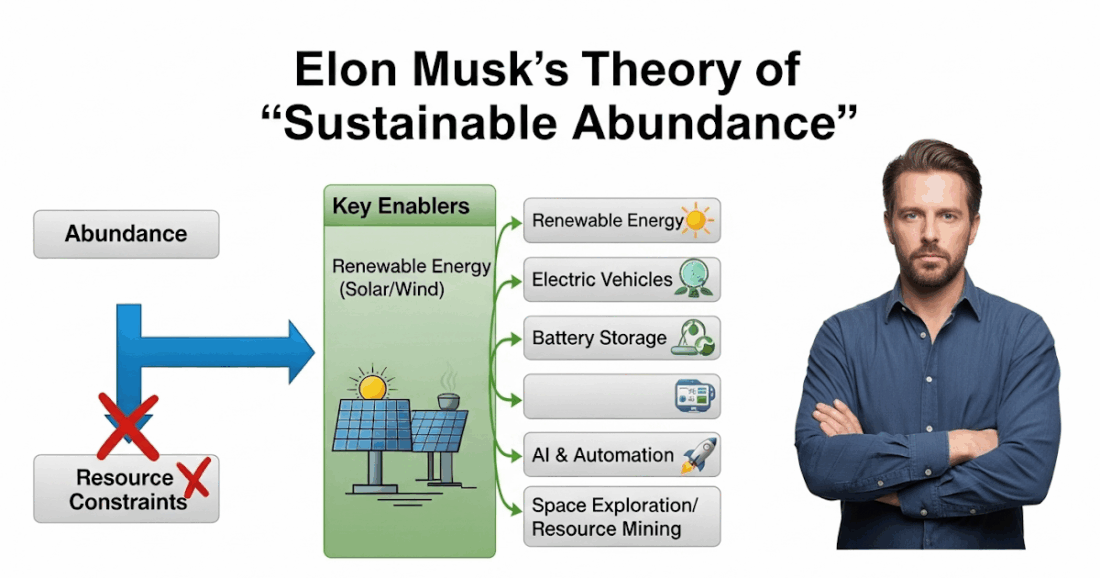
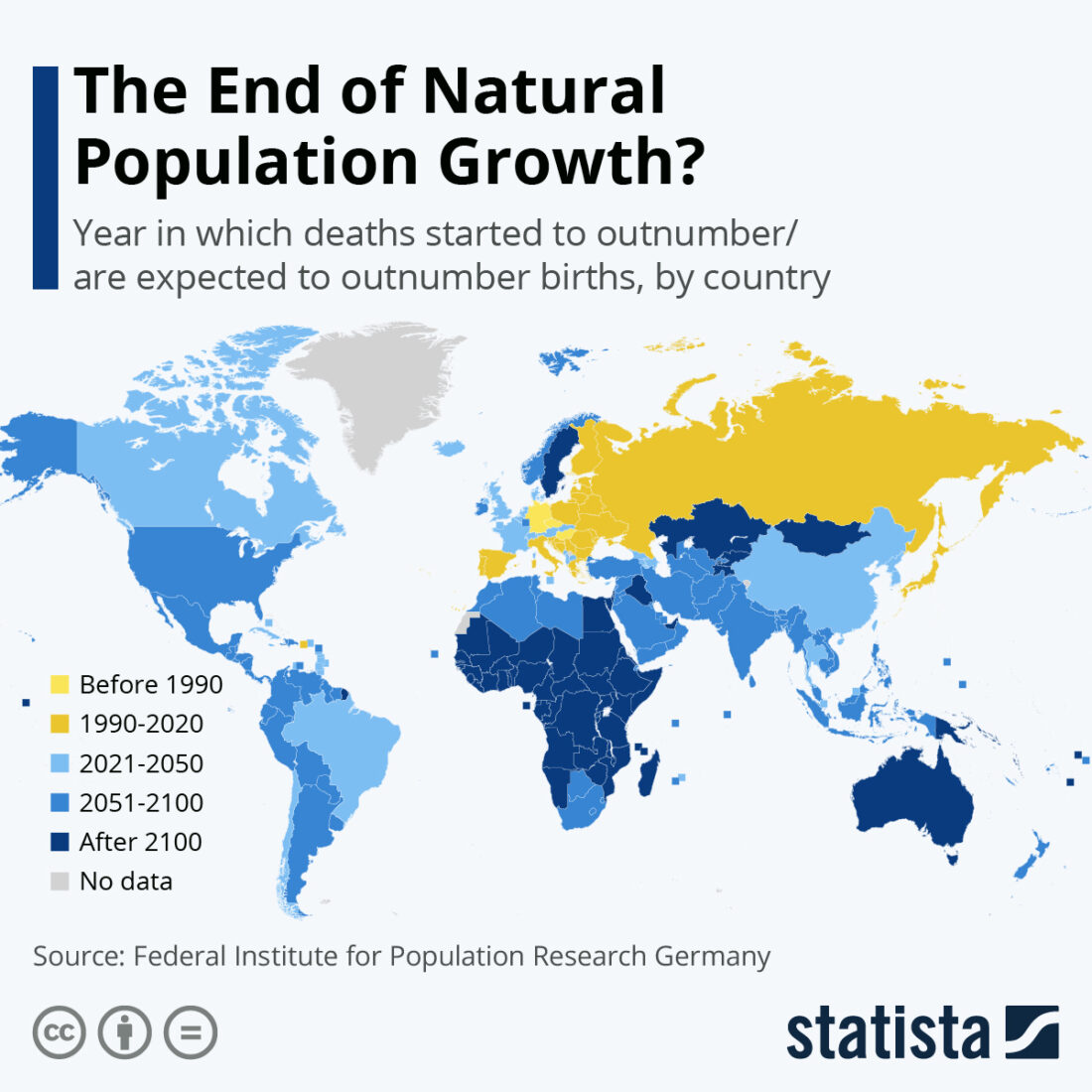 Figure 1
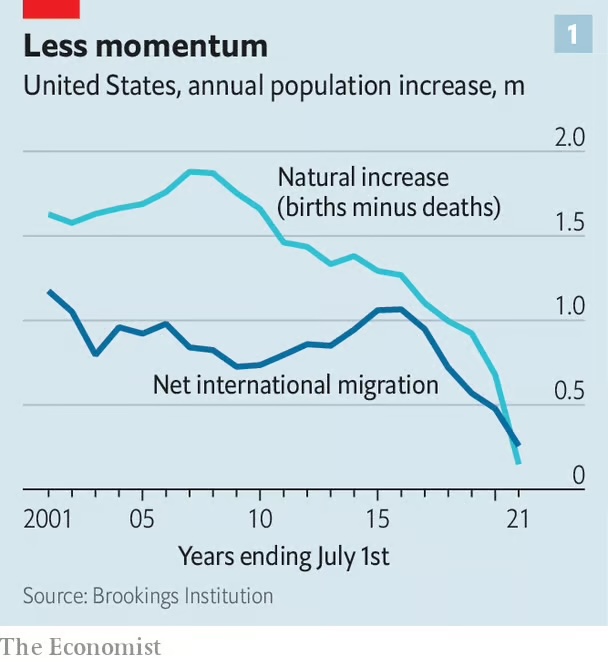 Figure 2 – Population increase in the US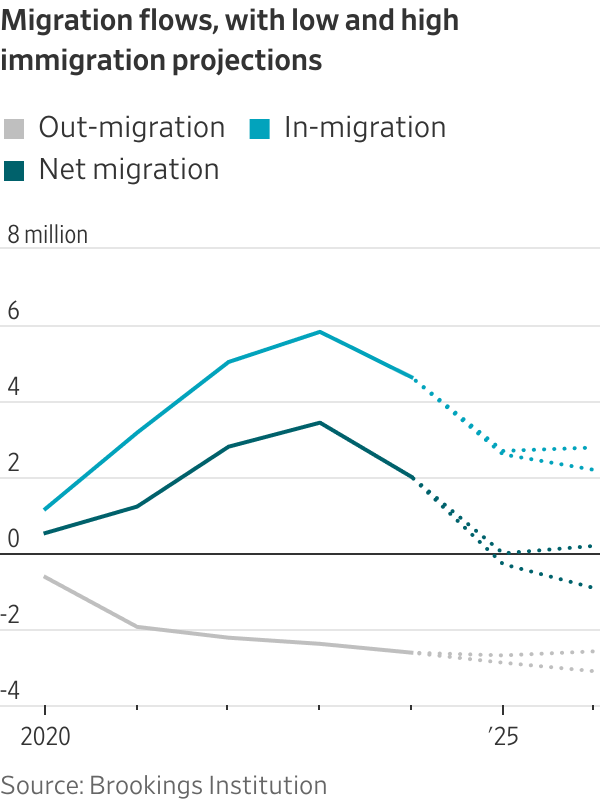

 Figure 1 – Kim Meylemans and Nicole Silveira, wives competing in Olympic skeleton (Source: