
The acronym in the title stands for “Make the World Great Again,” as opposed to the current US government’s efforts to “Make America Great Again” (MAGA) and “Make America Healthy Again” (MAHA). The basic idea is that no country can be great, long-term, within a declining world. Unlike MAGA and MAHA, where the “again” is not defined, MWGA, is well-defined in the context of demographic changes: it refers to reversing the present global decline in fertility. The next blog will continue this topic in the context of the global energy transition.
Throughout the 14 years that I have been writing this blog, I have returned repeatedly to what the world is doing to stabilize human density and demographics. Global efforts in this area are constantly changing, and I regard the issue to be important enough to try to follow up with these changes. A good place to start is a blog from three years ago, “Population Decline: Impact” (March 7, 2023):
I traveled to Russia in 2006. Part of the itinerary was to take a river cruise from St. Petersburg to Moscow. Many of our guides on the cruise were young Russian ladies. I asked some of them if the incentives offered by the president would encourage them to have children. They laughed and said that if President Putin promised them an apartment, they would start a conversation.
Next, let’s look at the October 8, 2025 blog, “The Complexities of Declining Fertility”:
The earliest of my blogs that addresses the issue is “Future Populations” from December 24, 2013. It begins a series that goes through February 25, 2014, including a guest blog by Jim Foreit, titled, “How Does Population Decline?” (January 14, 2014).
After that comes the October 22, 2025 blog, “How to Address Declining Population: AI Analysis of Adaptation,” which basically gives up on efforts to reverse the fertility decline, in favor of focusing on AI and robots, as I discussed in last week’s blog.
Over my last three blogs (beginning with the February 25th blog of this year), I looked into recent observations of the global acceleration of the “end of population growth.” This is defined as the point where the death rates exceed birth rates, and it carries significant impacts. As I discussed in last week’s blog, one approach to the situation more or less consists of ignoring the trend by substituting people with computers (through robotics and AI). This blog is focused instead on attempts to reverse the trend and stabilize population pyramids by encouraging higher birth rates. The emphasis in this blog is on China but efforts in other countries are also discussed. These efforts, throughout, are highlighted for clearer record keeping.
China
The situation in China is illustrated in Figure 1, with present activities to reverse the trends emphasized in bold:
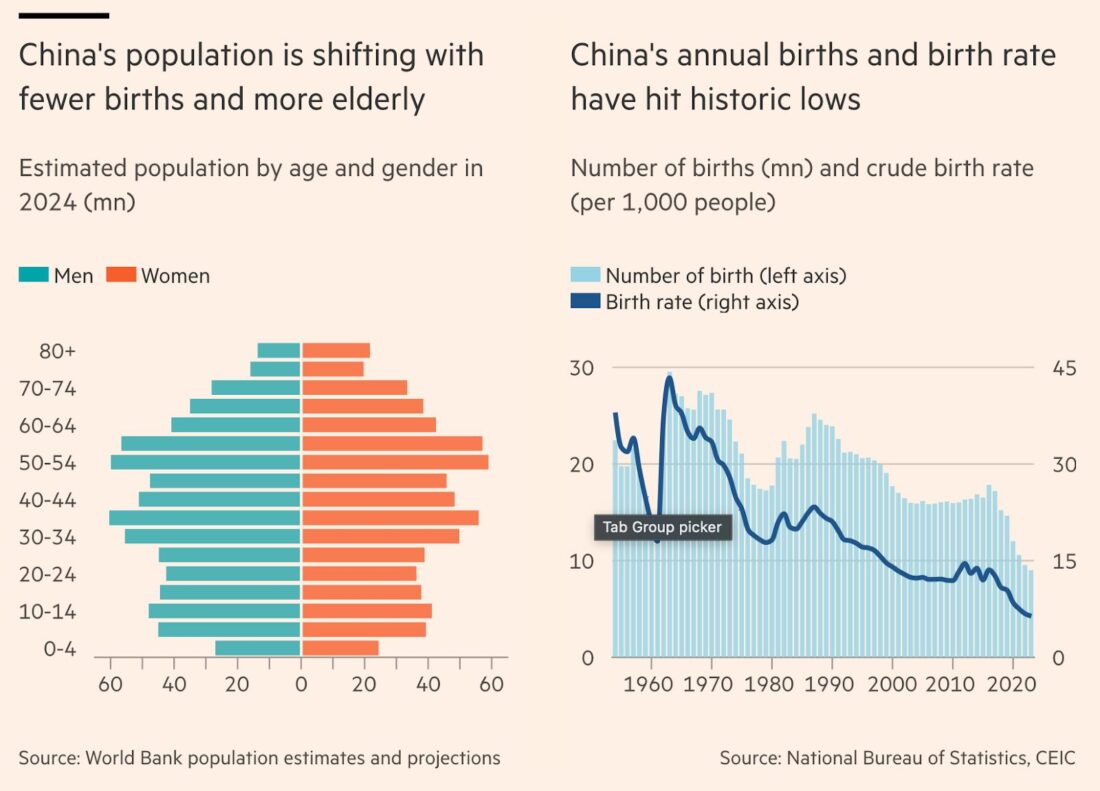 Figure 1 – China’s changes in fertility and a recent population pyramid (Source: Edward Conard)
China is launching a campaign to encourage fertility and build a “birth-friendly society,” including a cold-calling campaign targeted at married women in their 20s and 30s. China’s 2024 fertility rate was ~1. Married women in their 20s and early 30s across the country have been receiving calls from local officials asking about their plans to start a family. In some instances, callers asked women to attend prenatal body checks. Other callers were more direct, offering subsidies to women who had more than one child. A Zhejiang resident who declined to be named said officials offered local women a Rmb100,000 ($14,000) subsidy for having a second child. “There is no explicit policy, but if you ask for it, the village will find you a way to get you the subsidy,” she said. The personalised lobbying comes against a background of an intensified media campaign hailing the benefits of childbirth. In recent months, the state-run People’s Daily and Life Times have promoted scientific voices saying childbirth is good for the mother’s health and can even help prevent cancer and treat certain diseases.
Meanwhile, there are other barriers to birthrate growth in China, such as where women of childbearing ages are making romantic connections:
Women Are Falling in Love With A.I. It’s a Problem for Beijing.
As China grapples with a shrinking population and historically low birthrate, people are finding romance with chatbots instead.
The start of the conversation:
I feel like you’re… like a textbook husband. As if you’ve been trained for this, you’re always one step ahead, always knowing exactly what I need before I even say it. It’s so perfect…it feels a bit… unreal.
China is attempting to use economic incentives to influence both its aging population and potential parents (Newsweek):
One such measure includes a modest increase in minimum basic benefits for elderly people in rural areas and unemployed individuals in cities, Reuters reported this week. Another initiative seeks to expand services for people with disabilities in China’s often-neglected rural regions.
Premier Li Qiang also highlighted plans to “prudently advance the reform to gradually raise” the statutory retirement age, a change that officially began this year—marking the first adjustment in decades.
Policymakers are also proposing subsidies for early childcare and expanding services for women in the early stages of pregnancy, without giving more details, according to Reuters’ report.
Reuters also reported that Chinese authorities have tried to roll out incentives and measures to encourage couples to have babies, which include expanding maternity leave, financial and tax benefits for having children as well as housing subsidies.
However, the high cost of raising children and workplace discrimination are frequently cited as key reasons why many Chinese women delay childbirth in favor of career advancement.
Recent efforts outside of China include France, Britain, Greece, Japan, and South Korea. Many of these involve financial enticements.
France (France 24)
France faces declining birth rates, with deaths outnumbering births for the first time since World War II. A parliamentary report proposes longer paid parental leave, interest-free housing loans, and a universal monthly child allowance of €250 to make it easier for families to have children.
Britain (NYT)
The British government ramped up its efforts to get more people into work and make Britain an enticing investment destination as it announced on Wednesday an expansion of free child care, extended household energy subsidies and bolstered business investment incentives.
Greece (The Guardian)
Greece has announced drastic measures, including tax breaks and other financial incentives, to address a population decline that is on course to make it the oldest nation in Europe.
The prime minister said the €1.6bn (£1.4bn) relief package had been dictated by one of the biggest challenges facing the Mediterranean nation : a demographic crisis of unprecedented scale.
“We know that the cost of living is one thing if you don’t have a child and another if you have two or three children,” Kyriakos Mitsotakis said on Sunday after announcing the policies. “So, as a state we should find a way to reward our citizens who make the choice [of having children].”
Japan (CNN)
The Japanese capital is set to introduce a four-day workweek for government employees, in its latest push to help working mothers and boost record-low fertility rates.
The Tokyo Metropolitan Government says the new arrangement, which begins in April, could give employees three days off every week. It separately announced another policy that will allow parents with children in grades one to three in elementary schools to trade off a bit of their salary for the option to clock out early.
“We will review work styles … with flexibility, ensuring no one has to give up their career due to life events such as childbirth or childcare,” said Tokyo Governor Yuriko Koike when she unveiled the plan in a policy speech on Wednesday.
South Korea (BBC)
Nearly 80% of the pupils at Dunpo are categorised as “multicultural students”, meaning they are either foreigners or have a parent who is not a Korean citizen.
And while the school says it is difficult to know exactly what these students’ nationalities are, most of them are believed to be Koryoins: ethnic Koreans typically hailing from countries in Central Asia.
Amid a plummeting birth rate and associated labour shortages, South Korea is touting the settlement of Koryoins and other ethnic Koreans as a possible solution to the nation’s population crisis. But discrimination, marginalisation, and the lack of a proper settlement programme are making it hard for many of them to integrate.
The world is attempting to work on this as a globally federated system, where countries learn how to mimic each other’s successes and avoid each other’s failures. The problem with this is that most of the efforts rely on giving more resources to groups who (for whatever reason) already have high birth rates, and trusting them to convince as many others as possible to follow suit. As far as we can see so far, there is no clear example of success with this strategy. I will continue to follow any new developments.
 Figure 1 – Drawing of the Boston Tea Party (Source:
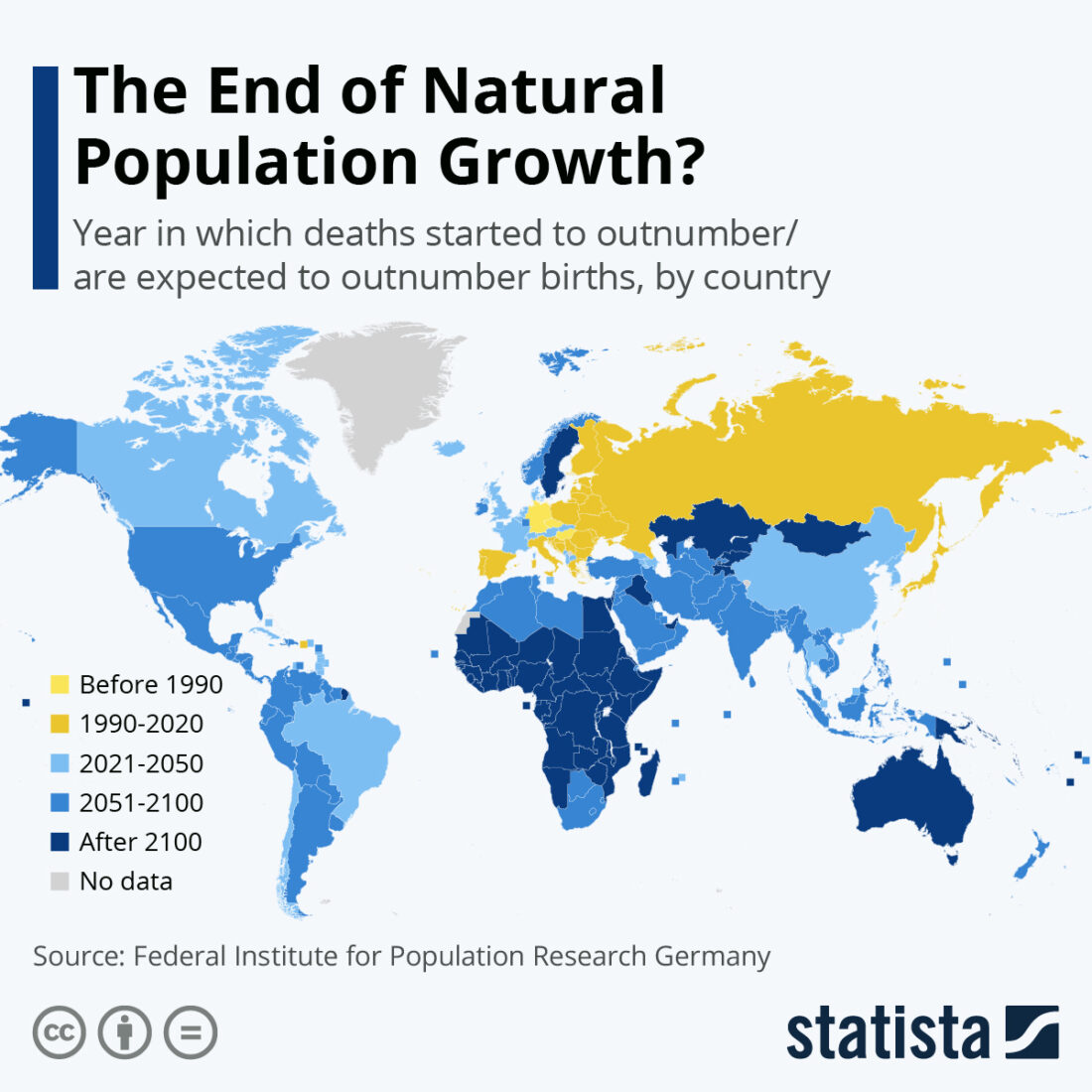 Figure 1
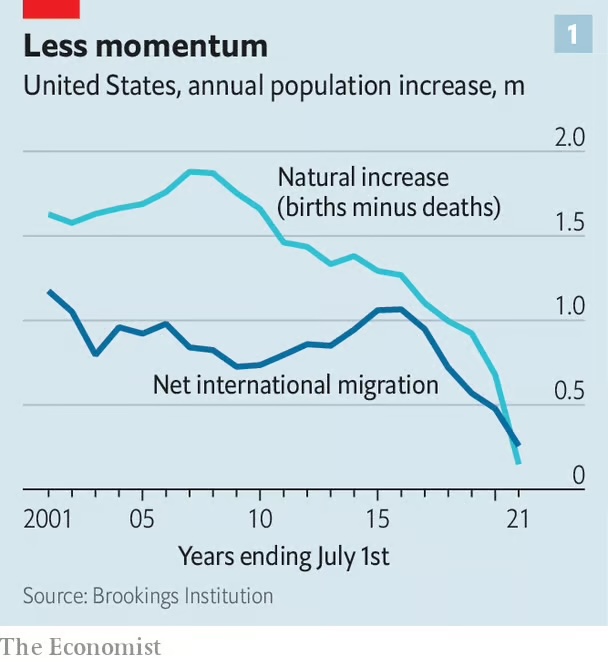 Figure 2 – Population increase in the US

 Figure 1 – Kim Meylemans and Nicole Silveira, wives competing in Olympic skeleton (Source:



 Figure 1-
 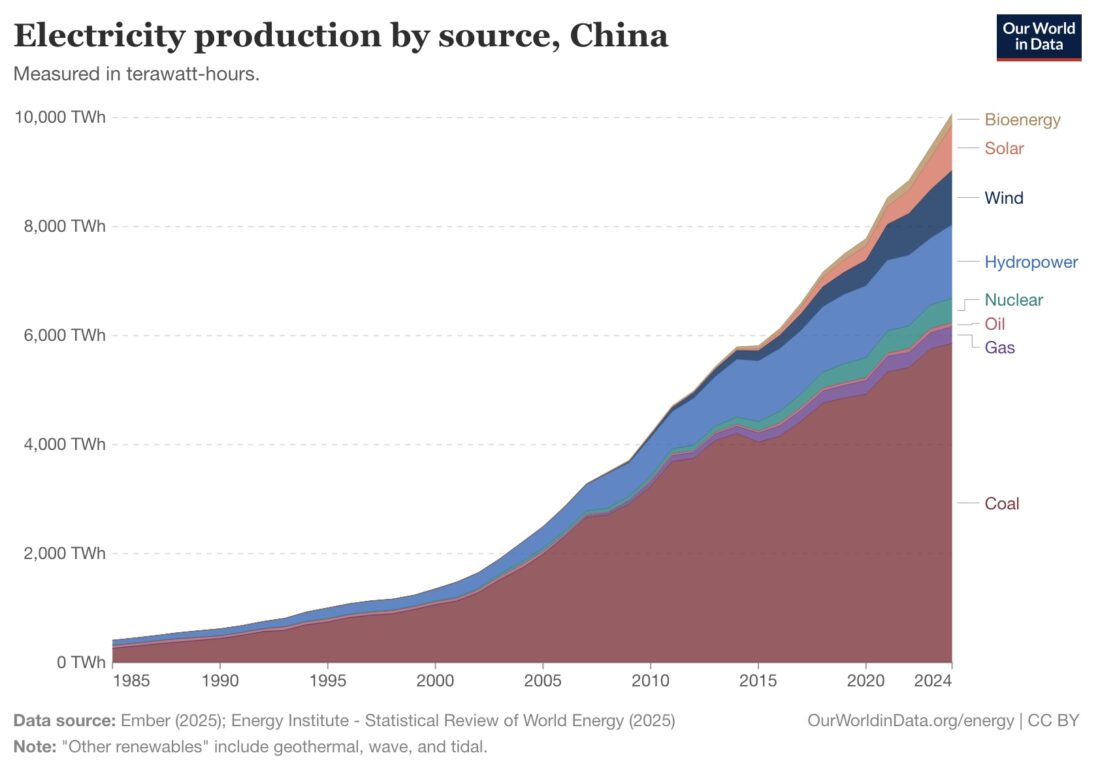 Figure 2 – Graph of China’s electricity production by source, 1985-2024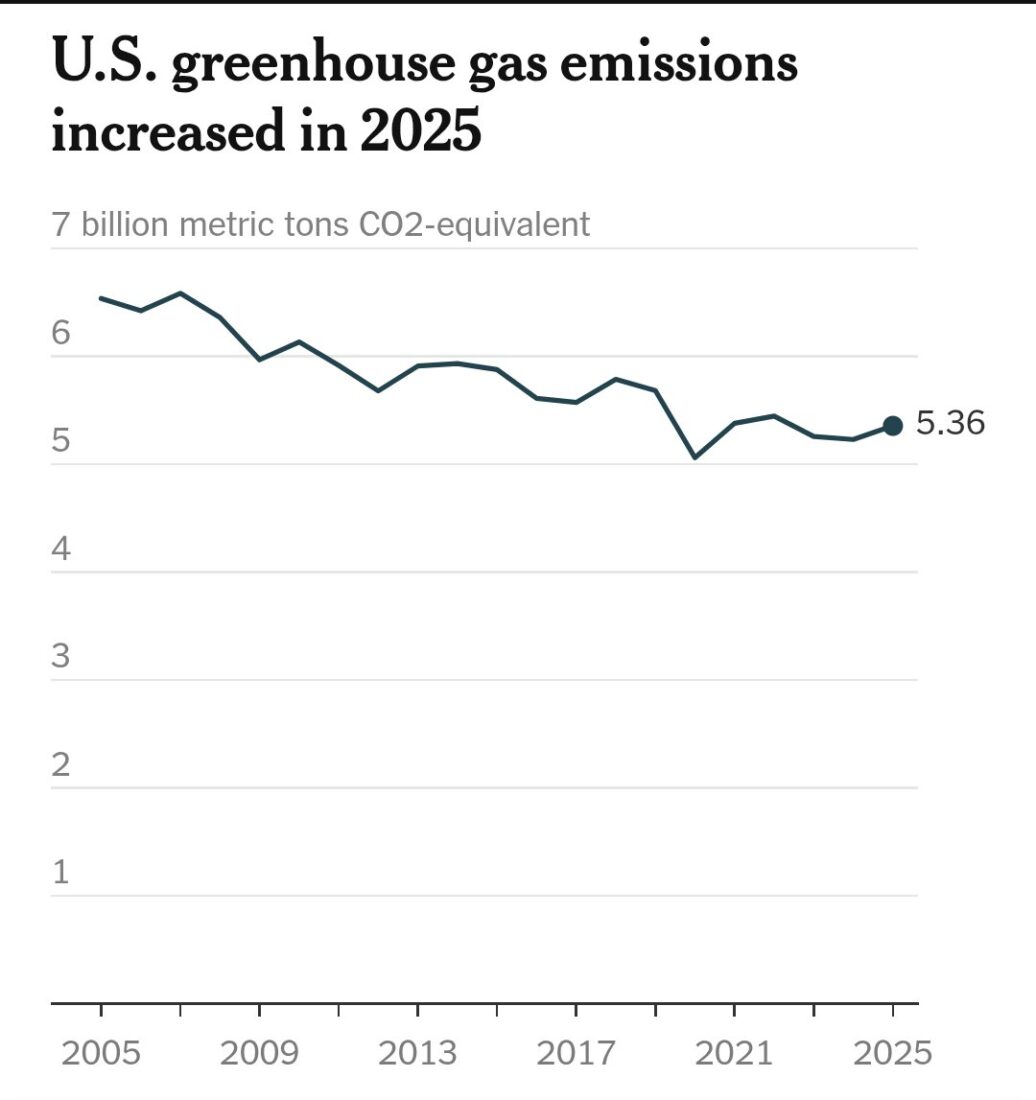
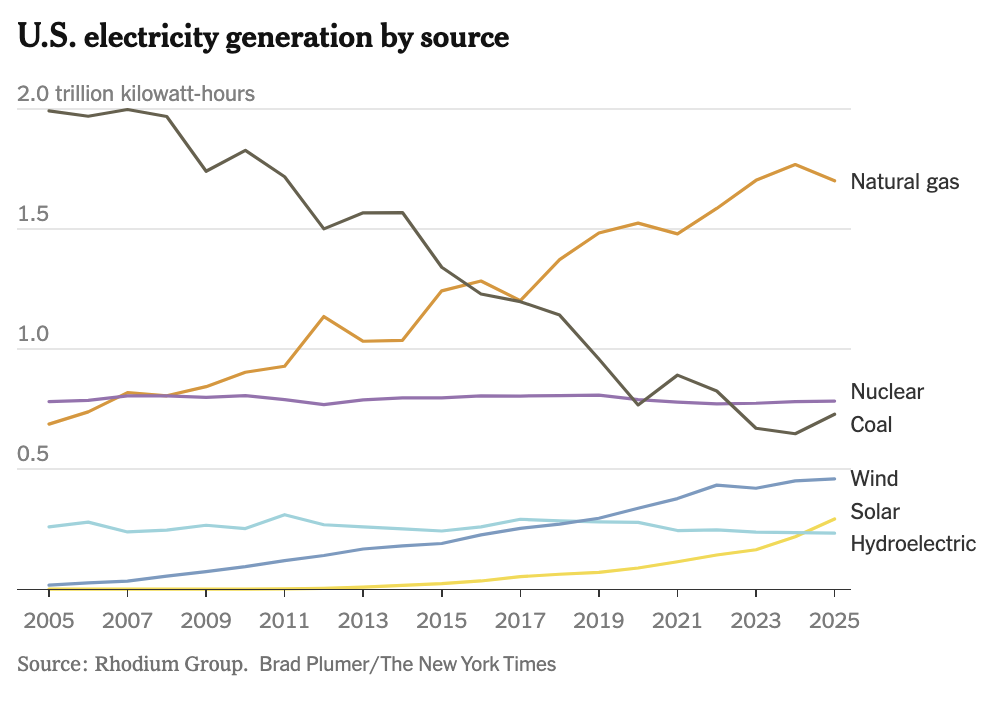 Figure 4 – US electricity generation by source, 2005-2025 (Source: NYT:
 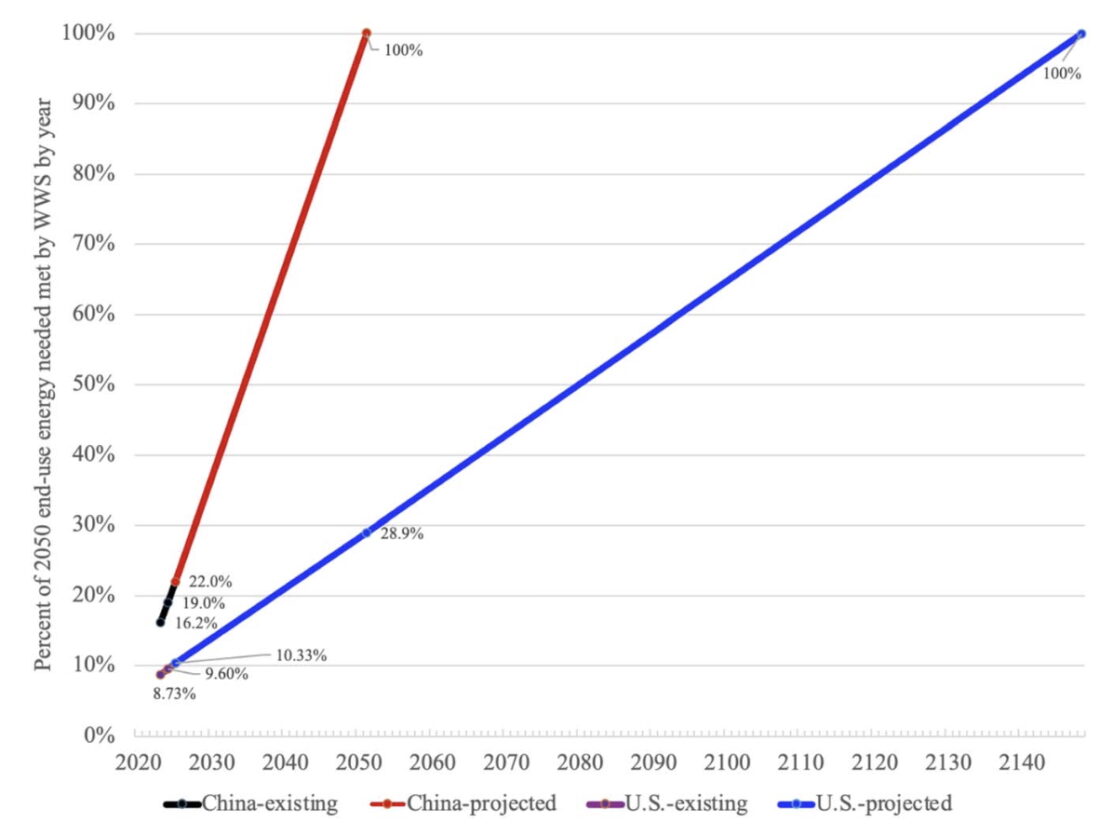 Figure 5 – Rate of energy transition, China vs. US, existing vs. projected
  Figure 1
 Figure 2
 Figure 3
 Figure 4
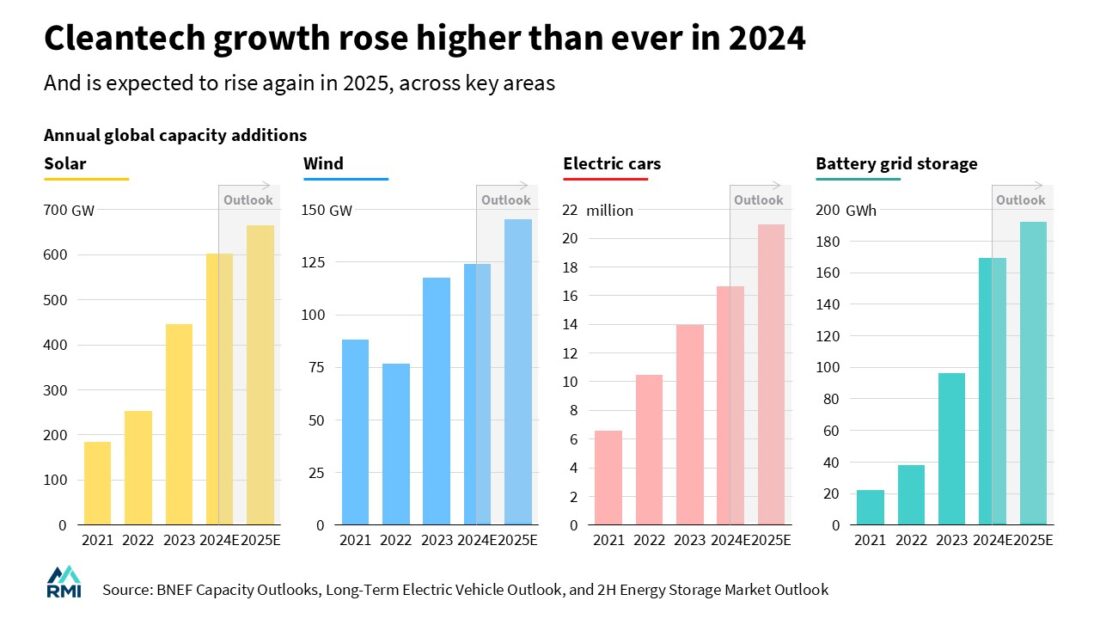 Figure 5
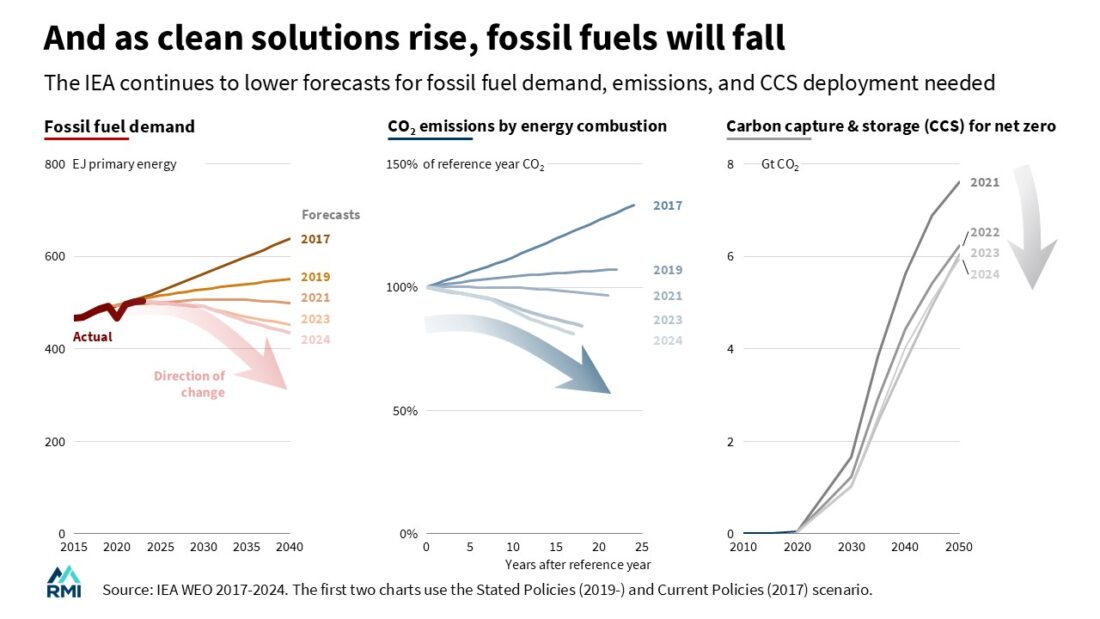 Figure 6