
 (Source: TRG Data Centers)
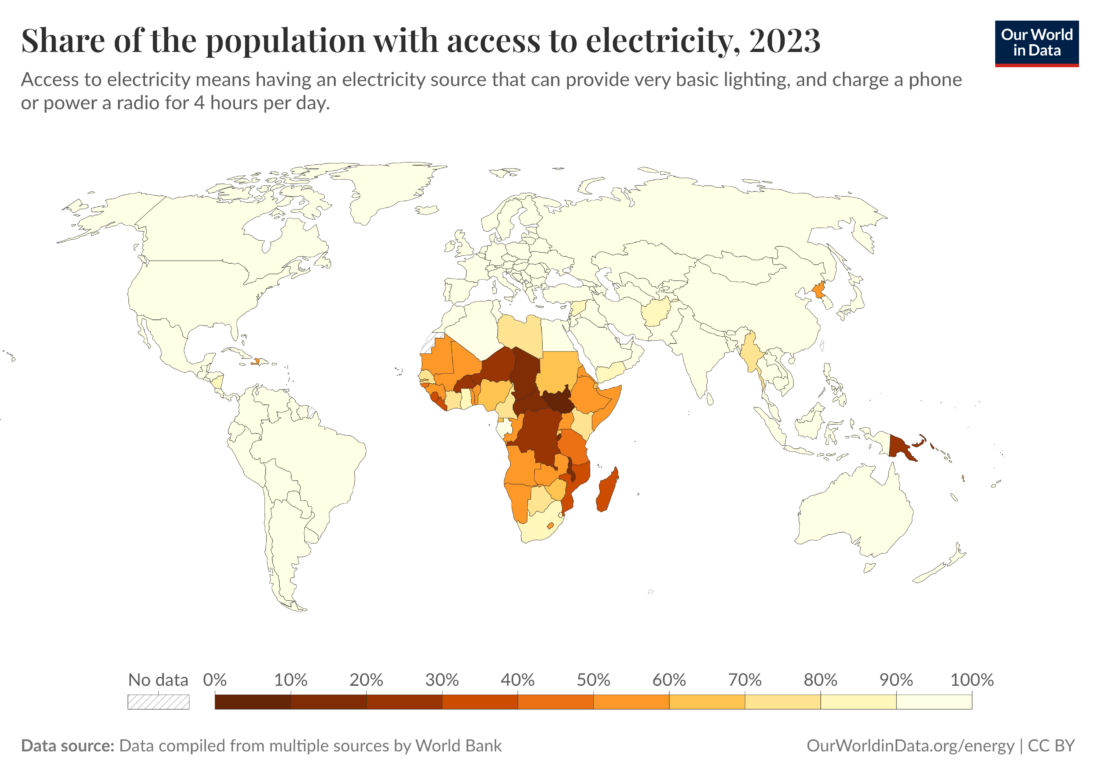
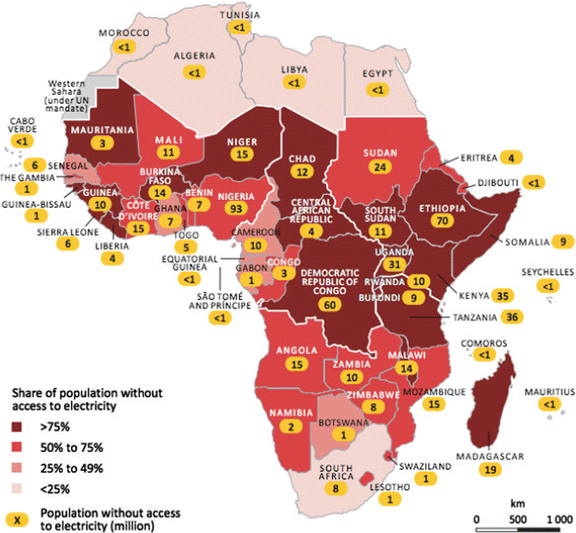
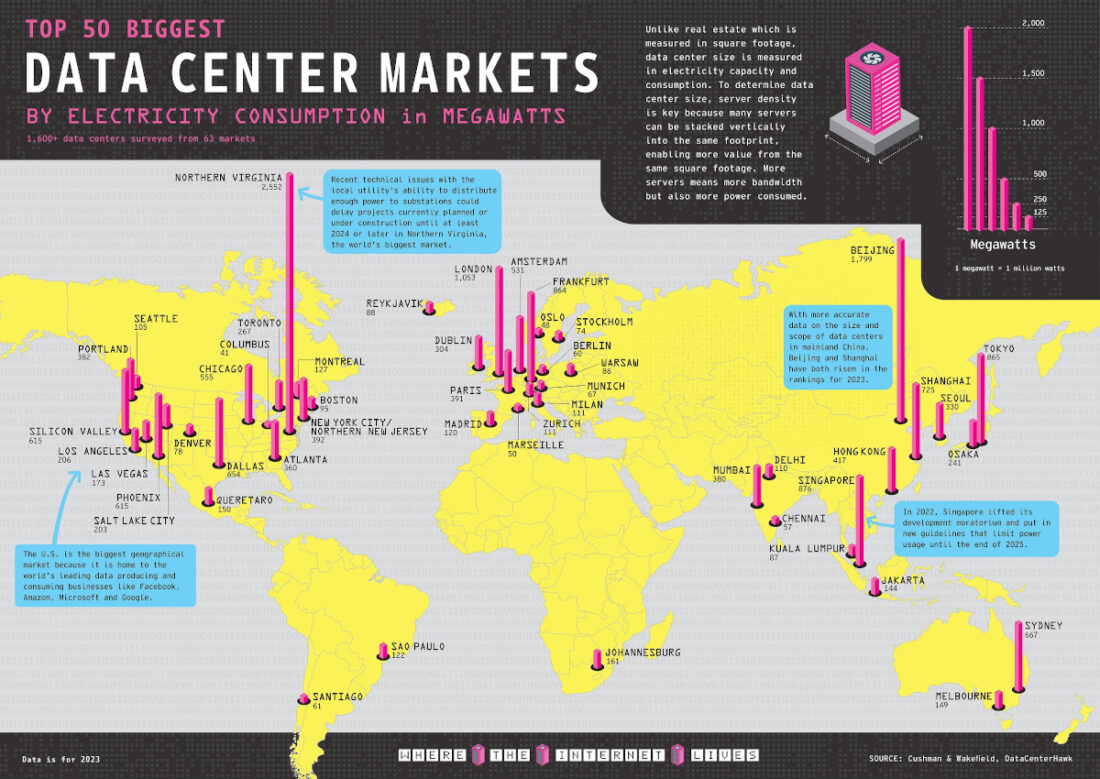
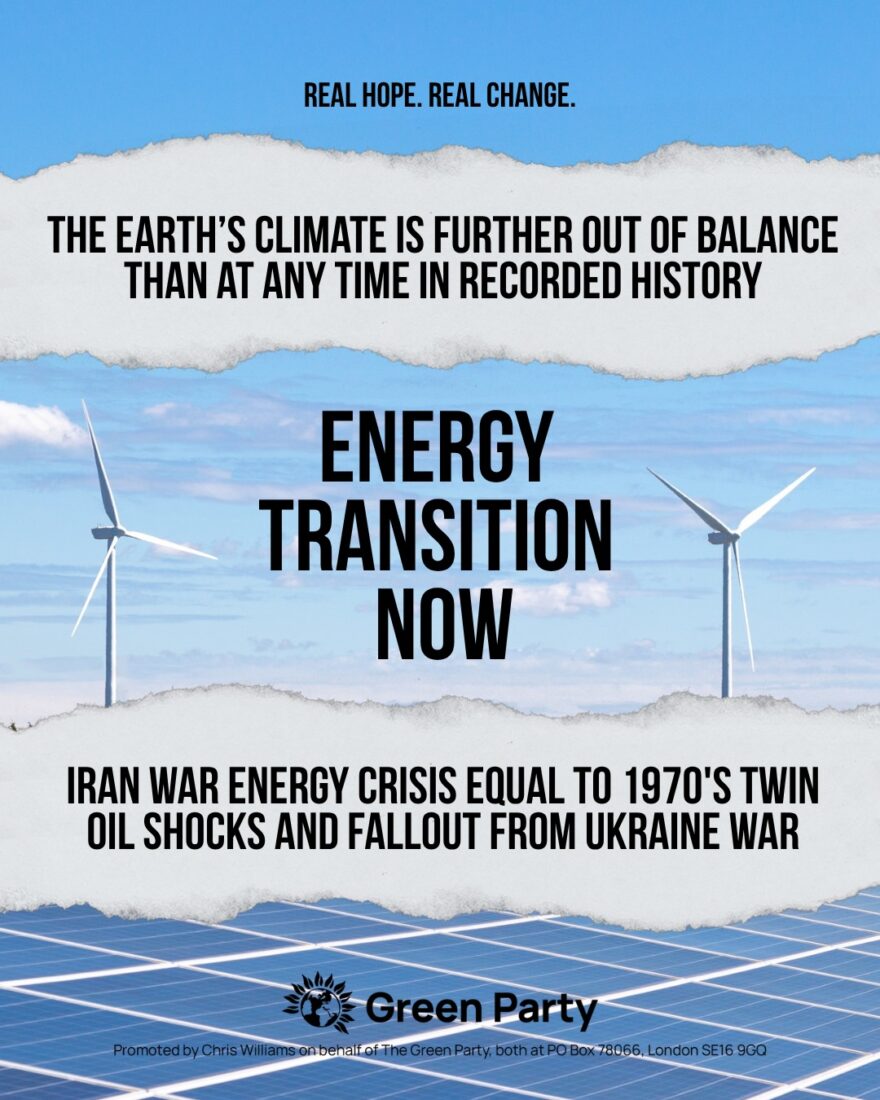
As shown in a previous blog (April 8, 2026), global electrification is almost complete. The only regions serious lagging are the rural areas of Africa, as detailed in that blog. The next phase is only starting to take shape, but it’s already emerging. Electrification requires an upgrade in order to power most of the post-WWII emerging global trends, which include the convergence of electrification, digitization, energy transition, nuclear threats, and security on a global scale! The main tool to accomplish such a gigantic role is data centers. Just put the term into the search box of this blog and you will see that data centers show up in almost all of my recent blogs—either directly or through the AI that I have been increasingly using. This blog will focus on two aspects of the process: the NIMBY (Not in My Backyard) aspect and the price. Not surprisingly, the AI penetration of data centers is most advanced in rich countries, but (under ownership by big tech, which is mostly concentrated in rich countries) is already spreading to developing countries as well.
The Global Situation (Yahoo)
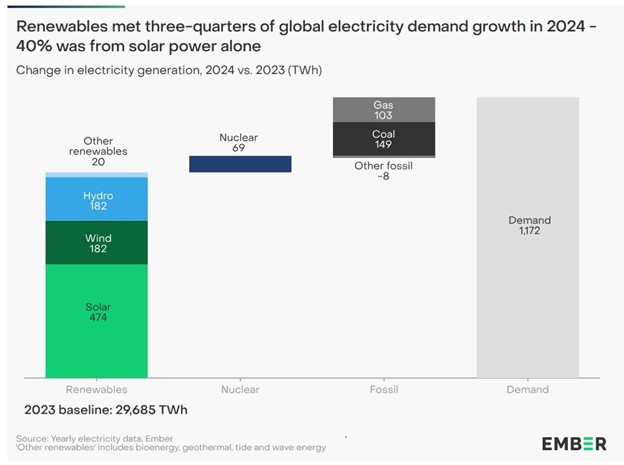
The world has crossed a historic threshold, officially entering the “Age of Electricity,” as mentioned in the Global Energy Review 2026 report, published last month by the International Energy Agency (IEA). According to the report, global electricity demand grew about 2.3 times faster than total energy demand in 2025, exceeding the long-term average. Global electricity generation grew by more than 850 terawatt-hour (TWh) last year. This twin surge — rapidly growing demand matched by accelerating supply — creates a powerful tailwind for utility companies. As the backbone of this new electricity-driven global economy, utilities are poised to see sustained revenue growth, making exchange-traded funds (ETFs) that hold a diversified basket of these companies a compelling investment right now. Before diving into the specifics of these ETFs, investors may want to examine the catalysts driving this electric revolution, along with the data-driven outlook for the utility industry, to better understand why utility ETFs appear poised for multi-year outperformance and could be a compelling addition to a modern portfolio. The following sections provide a closer analysis o
Finishing Stage 1: Africa (Globalization-Partners)
Access to smartphones and internet connection is quickly improving across Africa. The rise in fiber-optic cable usage throughout the continent generates a whole new set of opportunities. In fact, the Africa Wealth Report from April 2022 predicted that exceptional technology advances and an emerging business class can kick-start a 38% jump in total private wealth within the next decade. For instance, Meta announced they would be building a 37,000-kilometre-long undersea cable around the continent to improve the region’s internet access. Estimates show that around 75% of Africans will have access to the internet by 2030, compared to only 22% in 2020. “The business marketplace in Africa has been experiencing significant growth and transformation in recent years,” Alex Daruty, Head of Commercial at Africa HR, stated on a recent GPA-hosted webinar, on which G-P were panelists. “There is a growing middle class, increased urbanization, improved infrastructure, and a global digital transformation on the continent,” Daruty continued. “So, I think it’s fair that African economies remain resilient.”
Who is paying to expand electrification in Africa (Business Insider Africa)
Renew via Energy Corp. is expanding its solar-powered mini-grid operations into four African countries as renewable energy providers increasingly move to address the continent’s widening electricity deficit. The Atlanta-based company plans to expand into Uganda, Rwanda, Ethiopia, and the Democratic Republic of Congo, a move expected to require about $750 million in investment for roughly 2.1 million electricity connections, according to Renew via Solar Africa CEO Trey Jarrard. Sub-Saharan Africa remains the global epicenter of energy poverty, with nearly 600 million people lacking access to electricity, accounting for more than 80% of the world’s unelectrified population.
The situation in the US and Denmark is summarized below:
US – (TechCrunch)
PJM released a white paper this week that said the region “has years, not decades” to make fundamental changes to the way it operates. “The current situation is not tenable,” PJM CEO David Mills wrote in a forward to the report. Normally, this sort of wonky report would land on the desks of a few legislators and regulators. But PJM’s territory includes a large number of data centers, including the compute-dense region of Northern Virginia. What happens to PJM will send ripples throughout the tech world. The 70-page report is an exercise in navel gazing. But despite the deep introspection, not everyone is convinced the organization is up to the task of overhauling itself. One utility, American Electric Power (AEP), is considering pulling out of PJM altogether. “The current state of PJM’s performance and stakeholder approval process does not give me great confidence that these issues will be resolved anytime soon,” Bill Fehrman, AEP’s CEO, said in an earnings call Tuesday. “In fact, if something is not done now, I expect we could still be having these same conversations in 10 years. The PJM market worked very well when supply exceeded demand; we are now in a very different time.
PJM is a regional transmission organization (RTO) that coordinates the movement of wholesale electricity in all or parts of 13 states and the District of Columbia.
Denmark (CNBC)
COPENHAGEN, Denmark — The Nordics, long seen as a magnet for data center investment thanks to their stable climate and abundance of renewable energy, are now weighing limits on the growth of the power-hungry facilities as surging energy demand forces a rethink. At the center of the debate is Denmark, the first of the Nordics to confront the question head-on, as the formation of a new government and a spike in grid access requests have meant a pause on new projects. Data centers around the world are increasingly facing pushback due to concerns about their energy use. In the U.S, Maine recently came close to a data center construction ban and in Pennsylvania, the backlash could harm incumbents ahead of elections. Other states, including Virginia and Oklahoma are considering moratoriums.
This blog will end with estimates for pricing in both developed and developing countries, shown in Table 1. These estimates came from AI (Copilot). Industry standards typically measure data center costs per Megawatt (MW) of IT load capacity. .
Table 1 – Cost Comparison (Per Megawatt)
| Metric | India (Developing) | USA (Developed) |
| Cloud/Standard Cost | ~$5M – $7M per MW | ~$8M – $12M per MW |
| AI-Ready Cost | ~$8M – $10M per MW | ~$15M – $18M+ per MW |
| Construction Cost/Watt | ~$6.60 – $7.20 | ~$10.00 – $14.00 |
| Land & Labor | Significant savings (up to 60% less) | High (Union labor, expensive permits) |
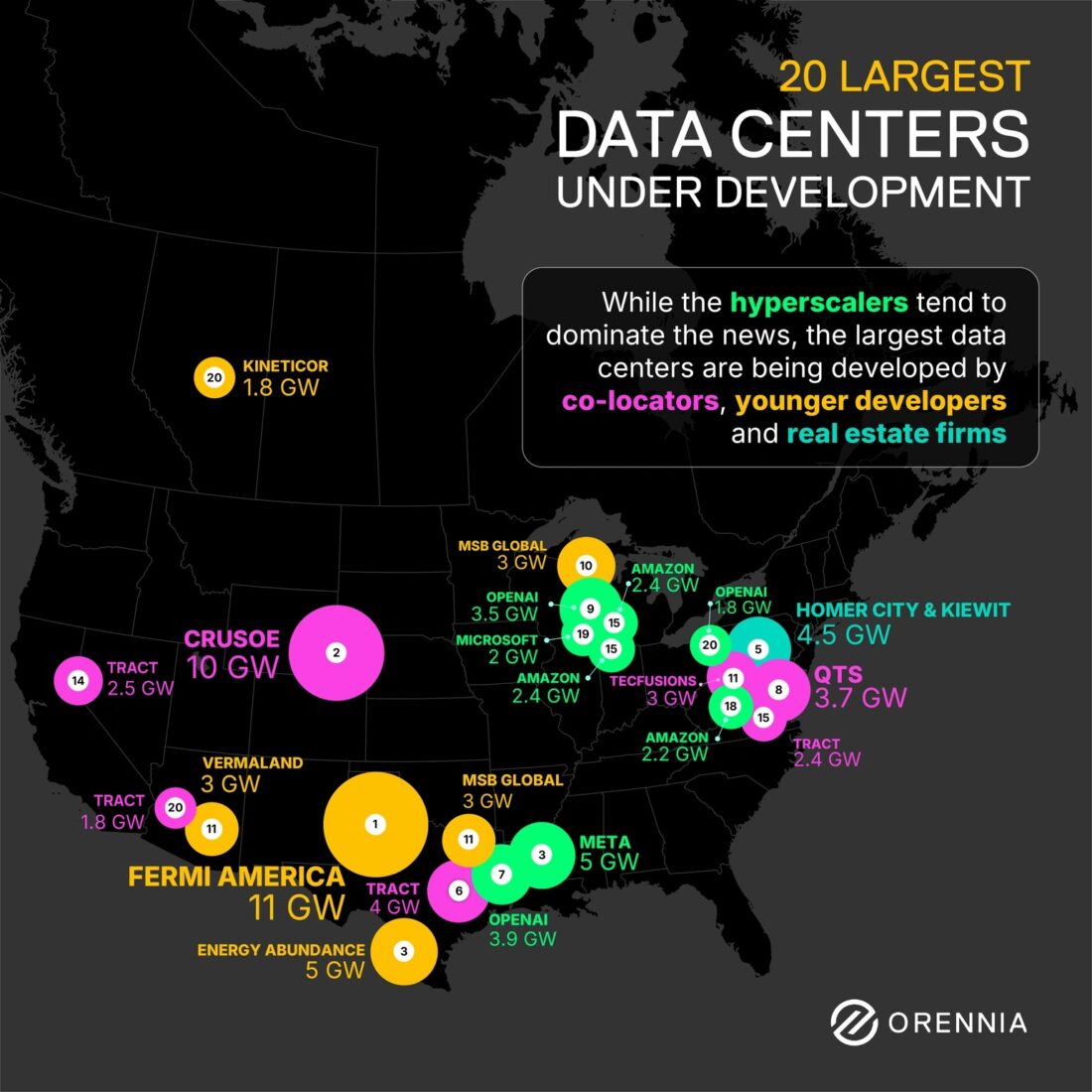
Figure 1 – The 20 largest data centers proposed in North America (1GW = 1000MW)
For the parallels in the developing countries, I selected two major targets: Kenya and India. Kenya describes future trends. India describes the present.
Kenya (Tom’s Hardware):
Microsoft’s massive Kenya AI data center would require switching off ‘half the country’ to meet power requirements, government says — $1 billion project stalls over capacity disagreements and lack of infrastructure. The project, announced in May 2024 during Ruto’s visit to Washington, was supposed to bring a geothermal-powered data center to the Olkaria region in Kenya’s Rift Valley. G42 was to lead construction, with the facility running Microsoft Azure in a new East Africa cloud region. The first phase targeted 100 megawatts of capacity and was expected to be operational by this year, with a long-term goal of scaling to 1 gigawatt.
India (The Economist)
Data centers are rapidly appearing across the country. Its installed capacity reached 1.3 gigawatts (GW) last year, according to JLL, a property firm. That may be small compared with America (38.7GW) or China (9.5GW) but is nearly triple the figure from 2020. And the growth is set to continue. During a global AI summit held in Delhi this week, the Adani Group, an Indian conglomerate, announced it would pour $100bn into data centers by 2035. Others such as NTT DATA, a Japanese IT giant that is currently the largest owner of data centers in India, also have big investment plans, as do America’s hyperscale’s. India will struggle to rival America and China in the development of cutting-edge AI. But it is fast becoming an important hub for data centers.
My next blog will focus on the global energy drivers of data centers.
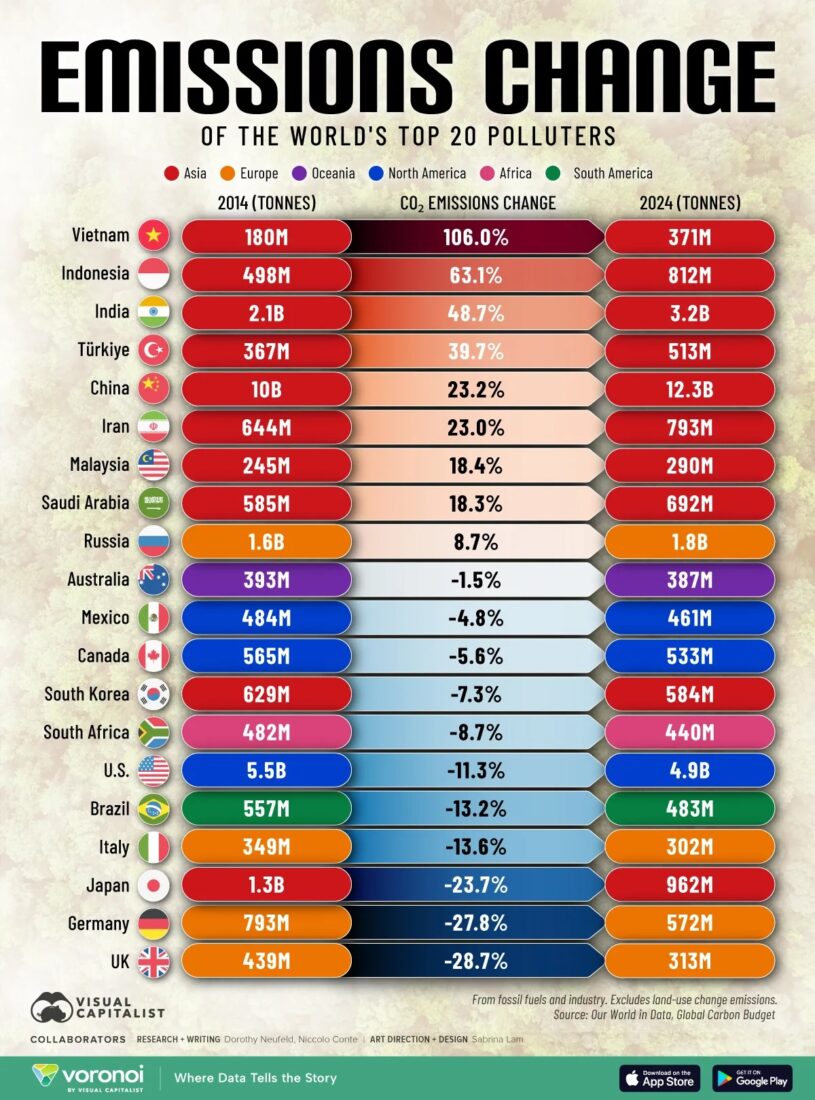 Figure 1 – List of the world’s top 20 polluters (Source: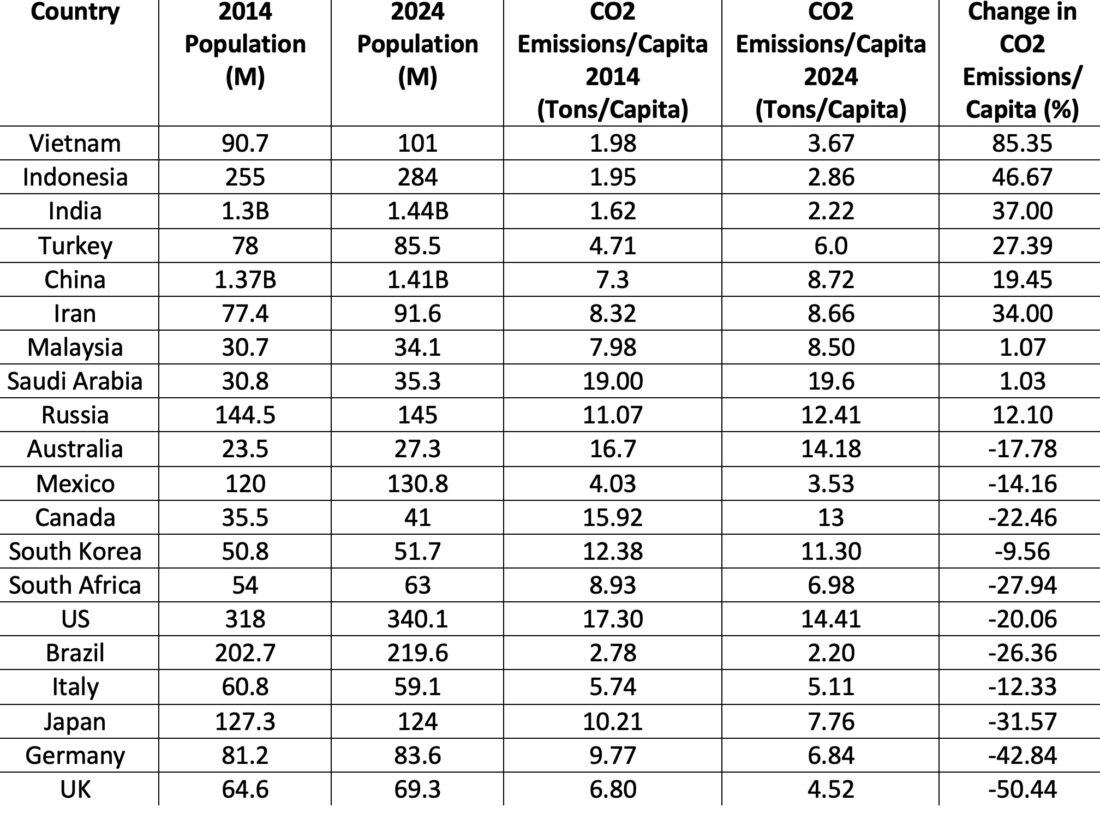
 Me
Me 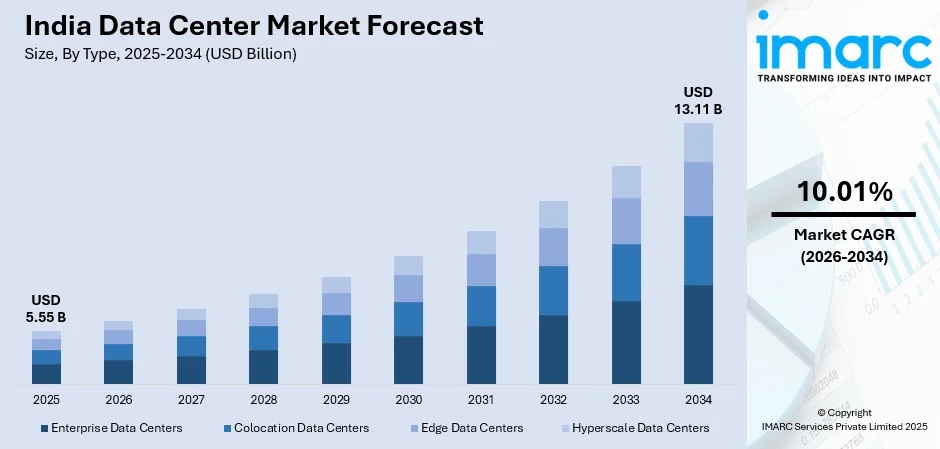 Figure 1 – India data center market forecast (Source: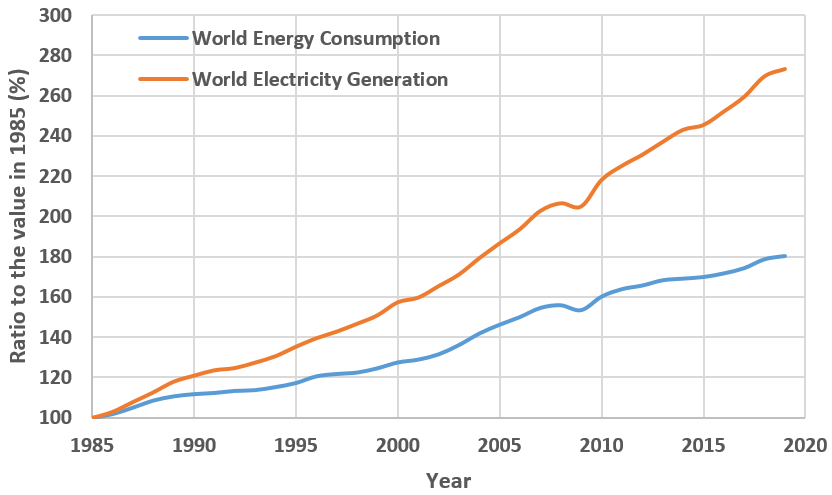
 (Source:
 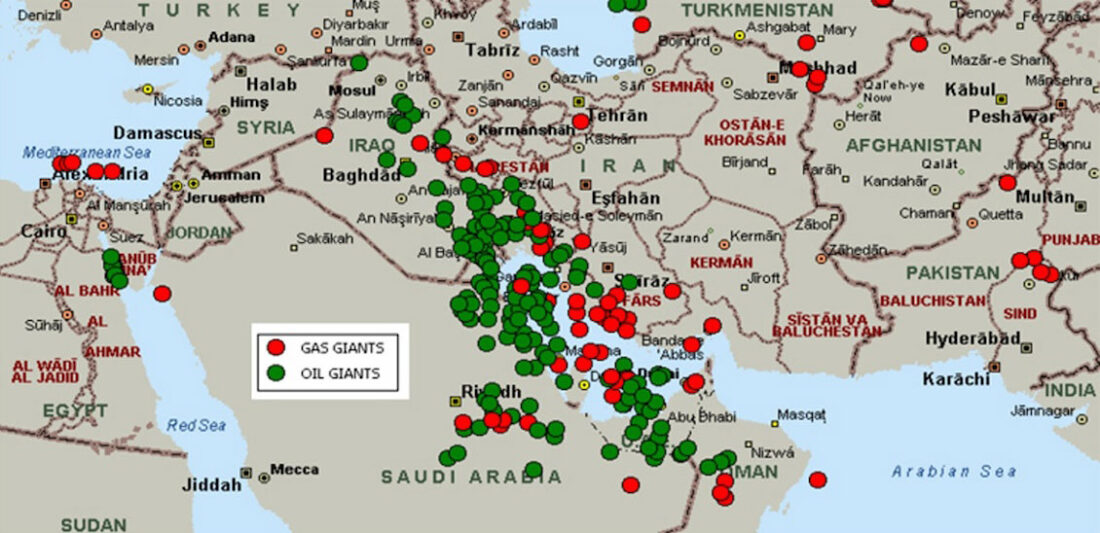 Figure 1 – Map of oil and gas reserves in the Middle East (Source:
 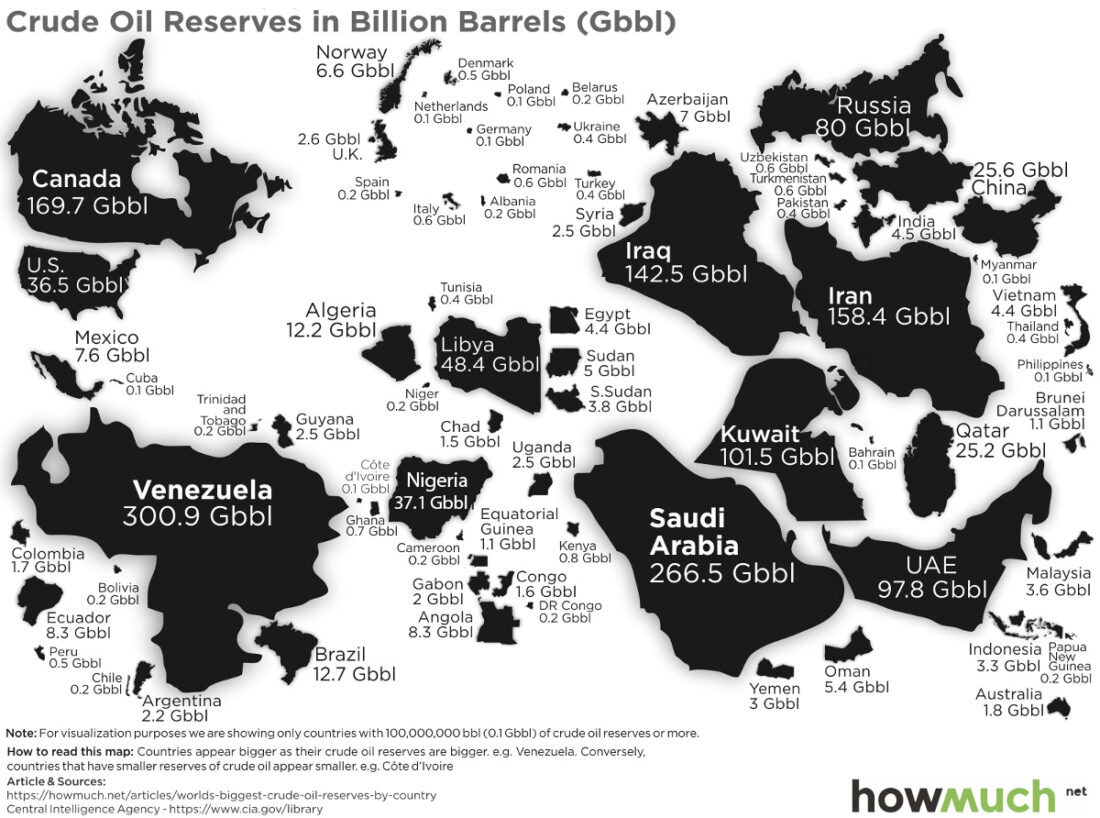 Figure 2 – Global distribution of oil reserves (Source: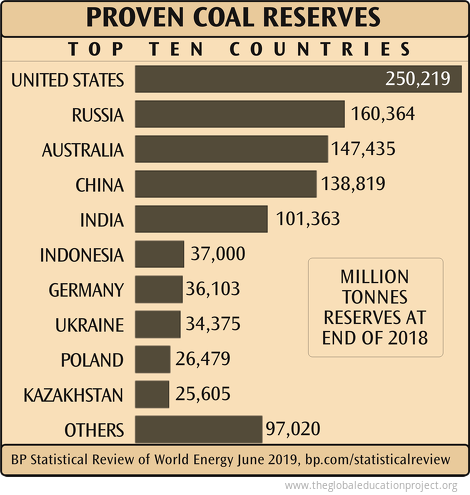
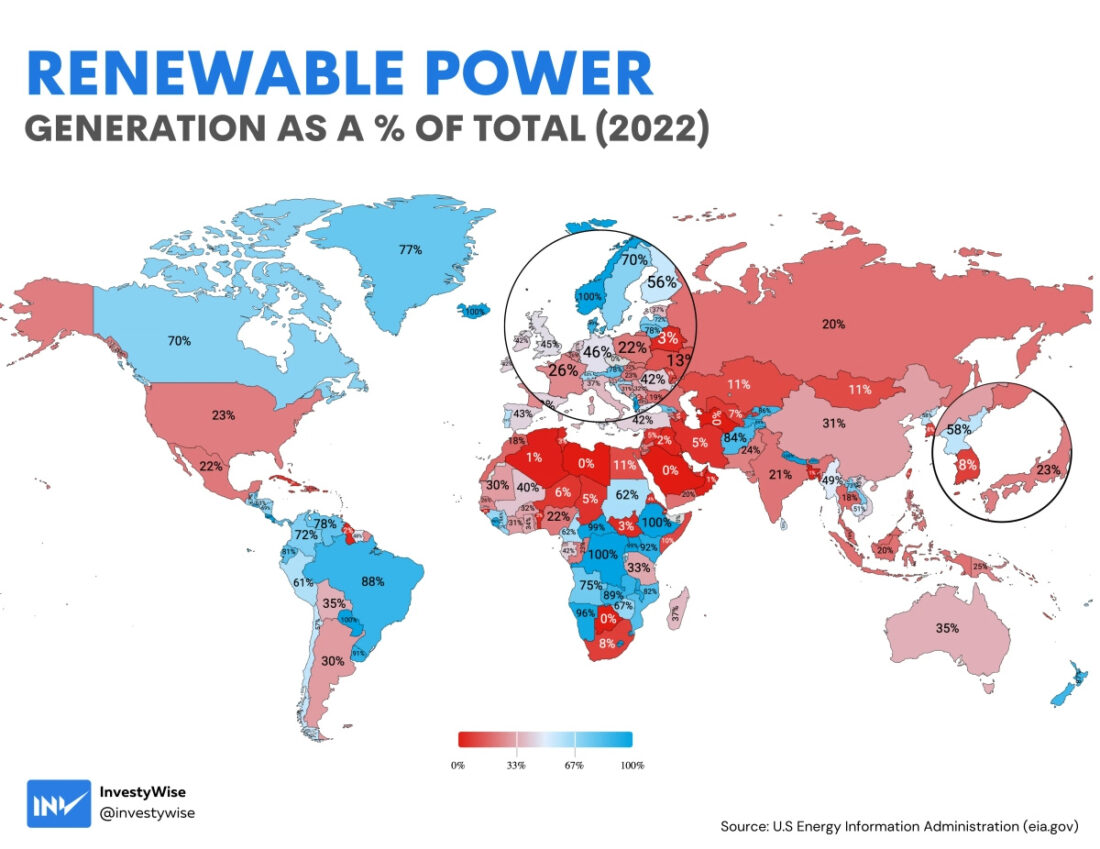 Figure 4 – Renewable energy as a percentage of energy use by country (Source:
 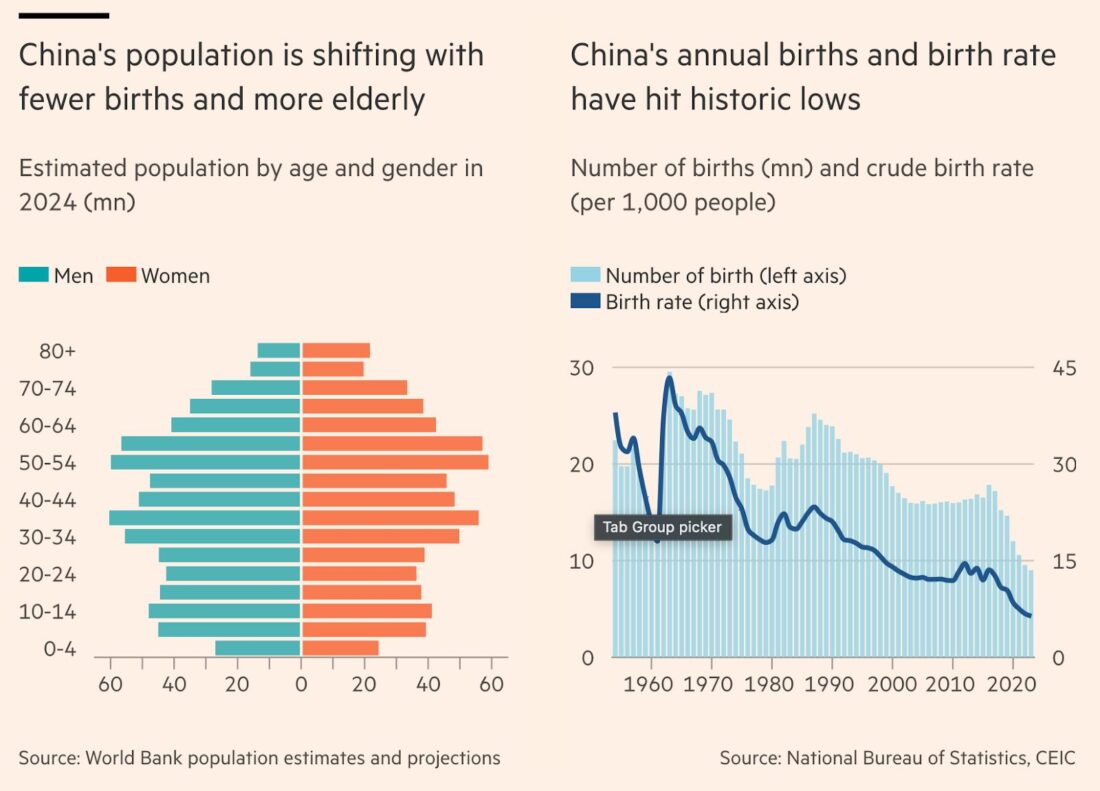 Figure 1 – China’s changes in fertility and a recent population pyramid (Source: