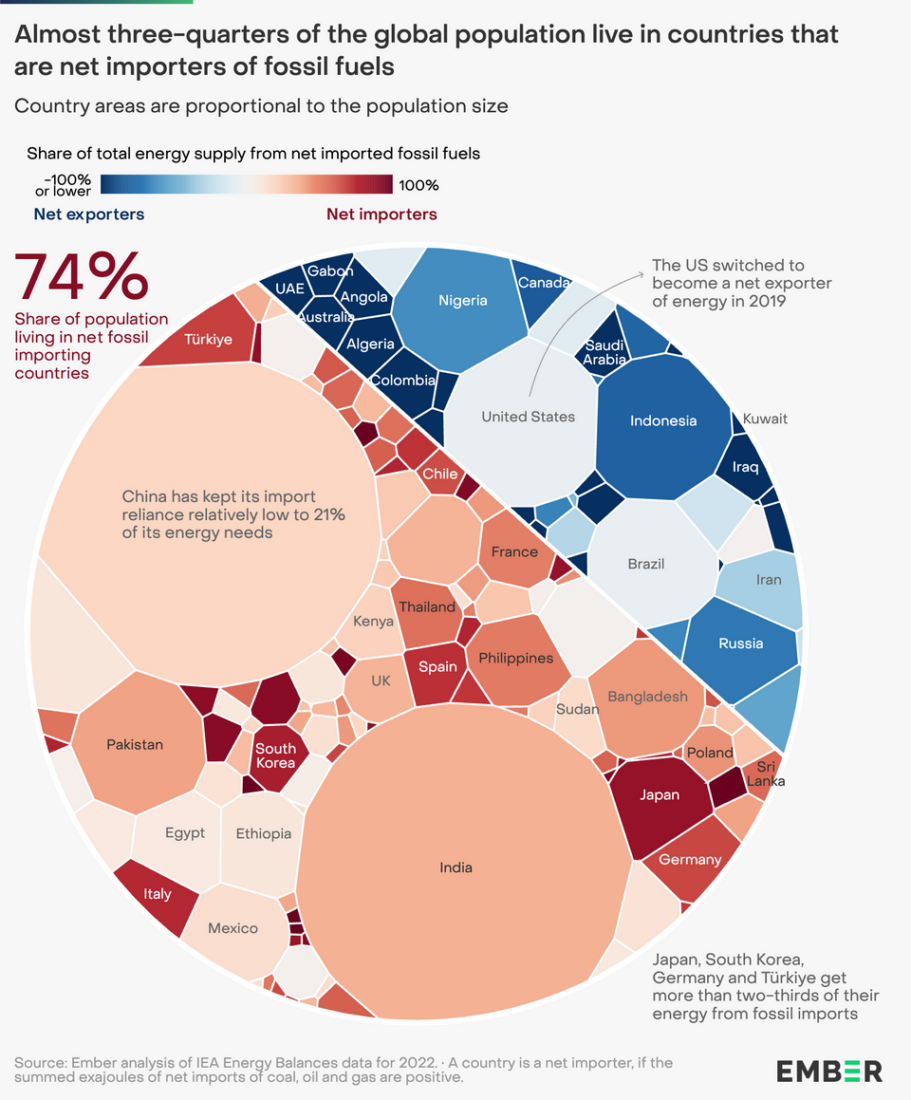
Last week’s blog started to discuss attempts to shift the energy transition to take sovereignty into account. The point was made that such shifts will be compatible with other objectives such as security and the mitigation of climate change. The top figure of this blog shows that about 75% of the global population lives in countries that cannot make such a shift based on fossil fuels. They don’t have enough of these resources on hand and need to import them. Even some of the countries that have enough fossil fuels and can export them have issues. Many of the exporters of fossil fuel are in the Middle East and are directly impacted by the Iran war with US and Israel, which has made the Strait of Hormuz almost impossible to pass exports through (see March 25, 2026 blog). Russia is one of the world’s top fossil fuel exporters. However, Russia’s attack on Ukraine triggered an economic boycott by many Western countries. Figure 2 shows the extent of that move.
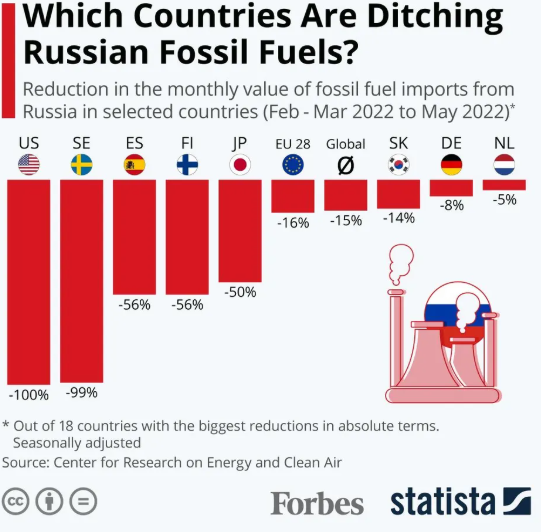
Figure 2 (Source: Forbes)
The US is marked in the top figure as a net exporter of fossil fuels, an “honor” that it acquired in 2019 with the advance of fracking and its ability to find new resources. However, prices can play an important role, and net exporting countries can have a significant import. The United States is probably the most consequential of these from a global perspective. Figure 3 describes oil imports into the US in 2021. Two years later, it was declared a net exporter.
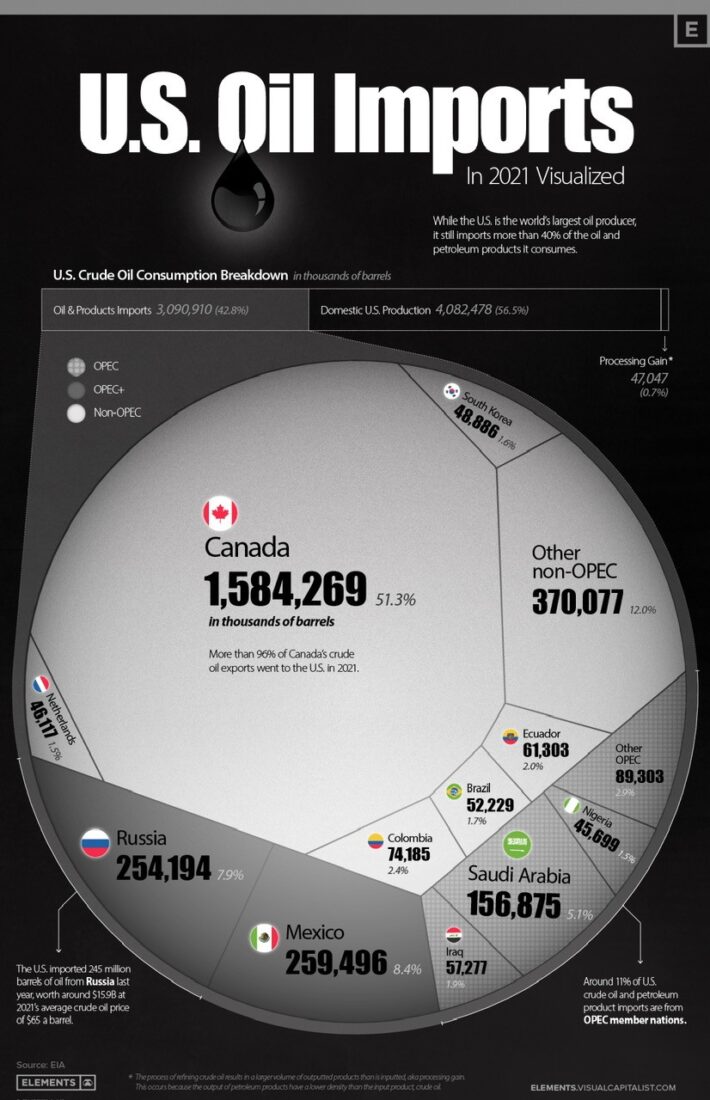
Figure 3 – While the US is the world’s largest oil producer, it still imports more than 40% of the oil and petroleum products it consumes (Source: Visual Capitalist)
At the time Figure 3 was created, US import of fossil fuels was still about 40%. Presently it has been reduced to 17%. As Figure 3 shows, the largest source of imported oil was Canada. However, our current relationship with Canada is not the best! All these global events have direct impacts on energy prices. I will cite below two cases of net importers of fossil fuels: Western Europe with an emphasis on Germany—and Pakistan. Next week’s blog will generalize the impacts to more countries and will try to explore impacts on energy efficiency.
The wholesale price for European natural gas soared in June to 60 euros per megawatt-hour, the highest it has been since the war with Iran began, and has continued to hover around that level. Without a lasting resolution to the war, analysts said, Europe will be forced to keep paying higher prices to fill its natural gas storage sites, costs that will trickle down to utility bills.
New data from London think-tank Energy Institute found that together wind and solar generated 44 per cent of the country’s electricity in 2025 – overtaking fossil fuels by one per cent. Since the introduction of its landmark renewable energy law (Erneuerbare-Energien-Gesetz) in 2000, the country’s share of generation from wind and solar alone has skyrocketed by around 42 per cent. At the same time, coal – which is often described as the ‘dirtiest’ form of energy – fell from supplying more than half of Germany’s electricity to just 21 per cent. Experts are now hopeful that the country will wean itself off coal before 2038. It’s an impressive feat considering Germany phased out nuclear power – which contributed to 6.6 per cent of the country’s total power production in 2022. While nuclear generation is often categorised as clean energy, concern around its harmful waste and environmental impacts remains rife. It mirrors a broader trend, as data from energy think-tank Ember found that wind and solar generated more power than fossil fuels across the EU for the first time last year (30 per cent compared to 29 per cent). Despite the victory, Germany is still grappling with negative electricity prices – which occur when supply outstrips demand. This is often attributed to the inflexible nature of wind and solar power, which generate electricity based on weather conditions rather than actual demand. It has led to a spike in curtailment, where operators temporarily switch off or reduce the output of solar and wind farms. When curtailment occurs directly because generating electricity is no longer economically viable (rather than because of grid constraints), this is known as price-sensitive, or commercial, curtailment.
Electric motorcycles are a crucial indicator of changes driven by war. In poorer countries, where people are most vulnerable to energy-price shocks, two-wheelers are far more common than cars. Electric models typically cost more to buy than gasoline-powered versions.
But rising gasoline prices have given electrics a big advantage: It’s cheaper to charge a battery than to fill up a fuel tank. In Vietnam, famous for its motorcycle-swarmed streets, the biggest domestic producer, VinFast, has seen soaring sales. In Kenya, about 25 to 35 percent of new motorcycle sales are electric, said Gagan Gupta, the founder of Spiro, the largest electric vehicle company operating in Africa. He said the energy shock helped “multiply everything by two times.” In all these places, people in the industry increasingly tout the idea that future generations will never operate a gasoline-powered vehicle. “The demand is effectively open-ended,” said Josh Whale, the founder of Ampersand, an electric-motorcycle company that operates in Kenya and Rwanda.
However, sovereignty is not the only shift to local control that the energy system is trying to adjust to. Other decentralization attempts are in play too (Future of Energy: Embracing Decentralization):
Welcome to the world of decentralization and energy—a dynamic duo shaping the future of how we power our lives. Decentralization is like giving power back to the people, literally. Instead of relying on big, centralized power plants, it’s all about spreading energy generation and control to local sources. Traditionally, we’ve been hooked on massive power plants and extensive networks to meet our global energy needs. But decentralization flips the script, advocating for a more local and diverse approach to energy production and management. This shift promises resilience, sustainability, and even a touch of democracy in how we handle our energy resources. In this exploration, we’ll unravel the simplicity and potential behind decentralization and energy. Get ready to discover how this shift is not just changing the way we power our world but also paving the way for a brighter, greener, and more accessible energy future.
We need more time to quantify these efforts.
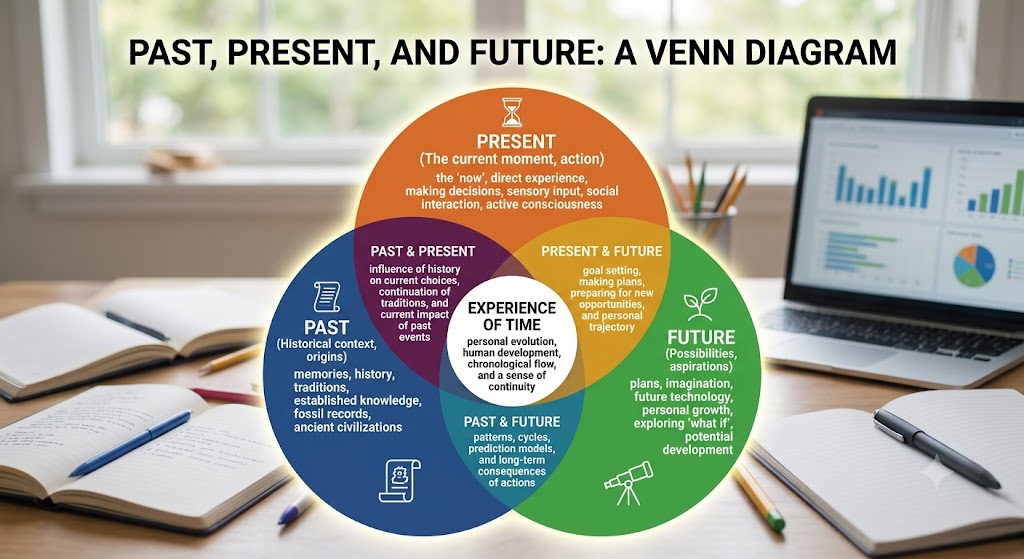
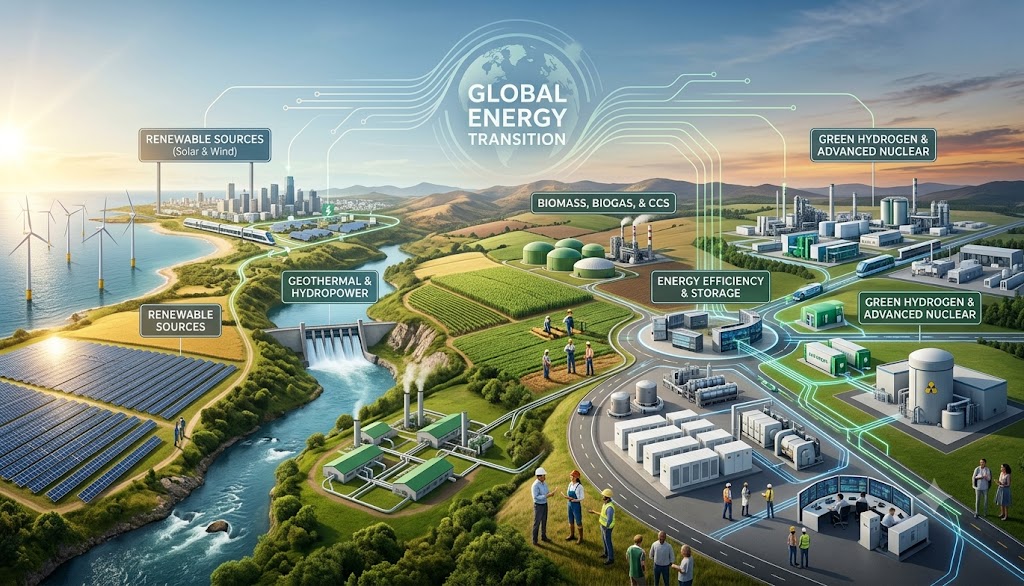 Figure 1 – AI-generated (Gemini) image response to a request for a picture of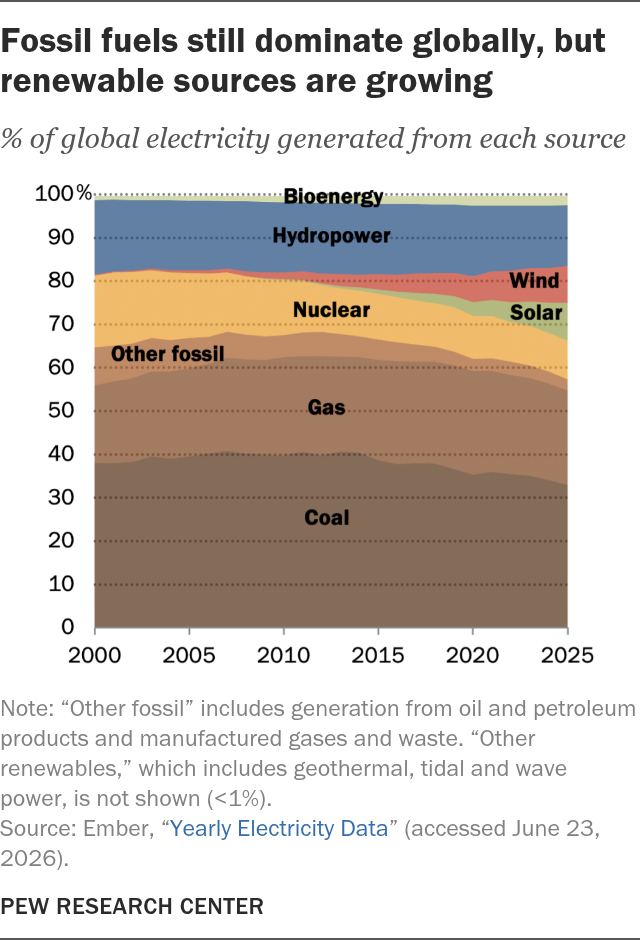
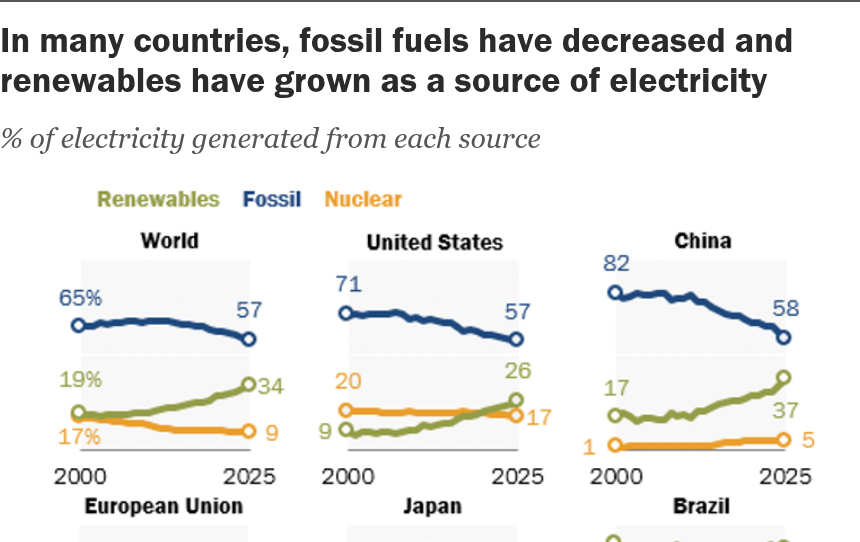
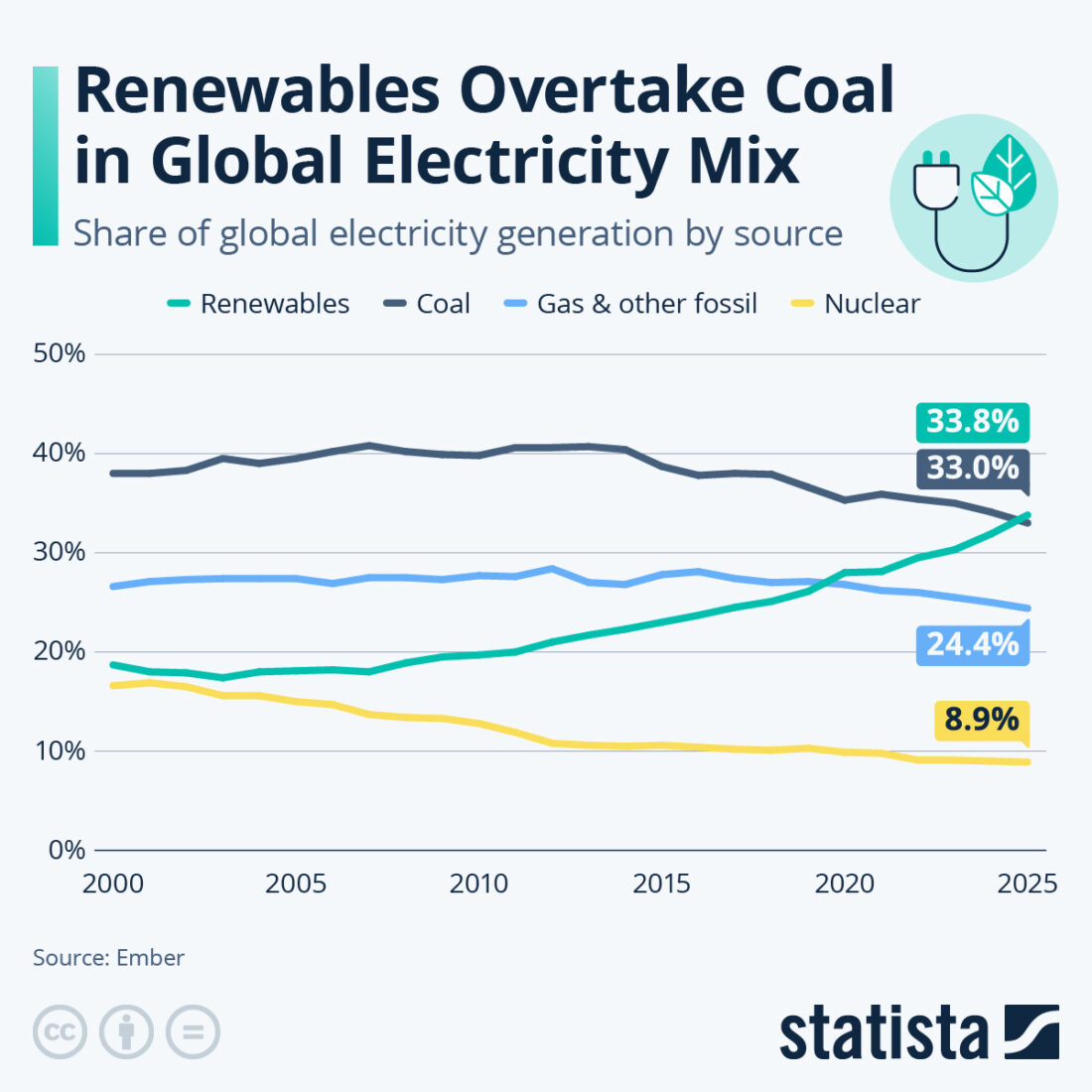

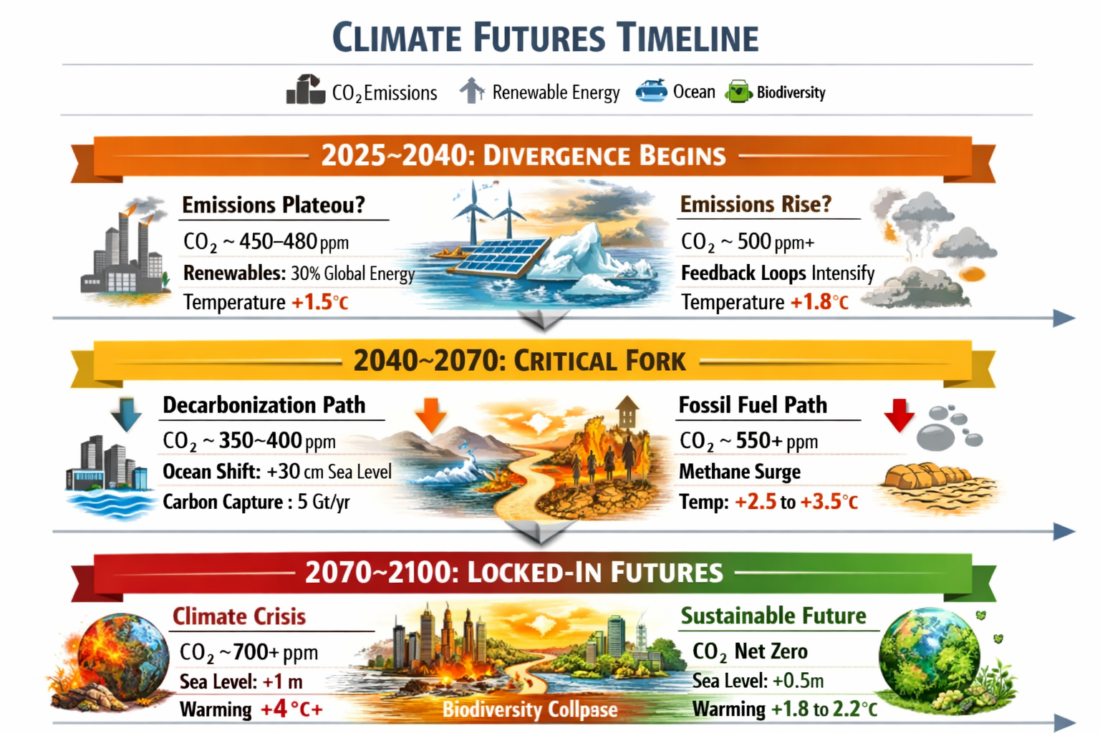
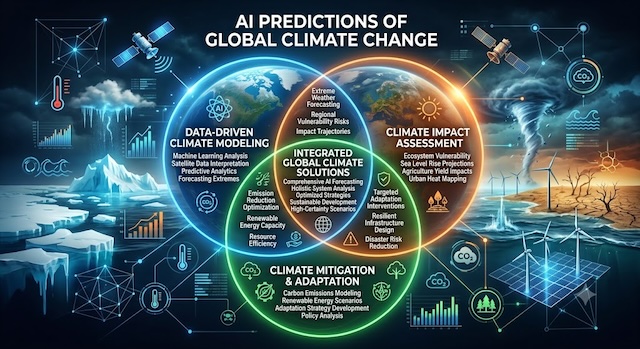 AI climate change predictions by Gemini
 Figure 2 – Certificate of Appreciation given to me by the Holocaust Memorial Committee