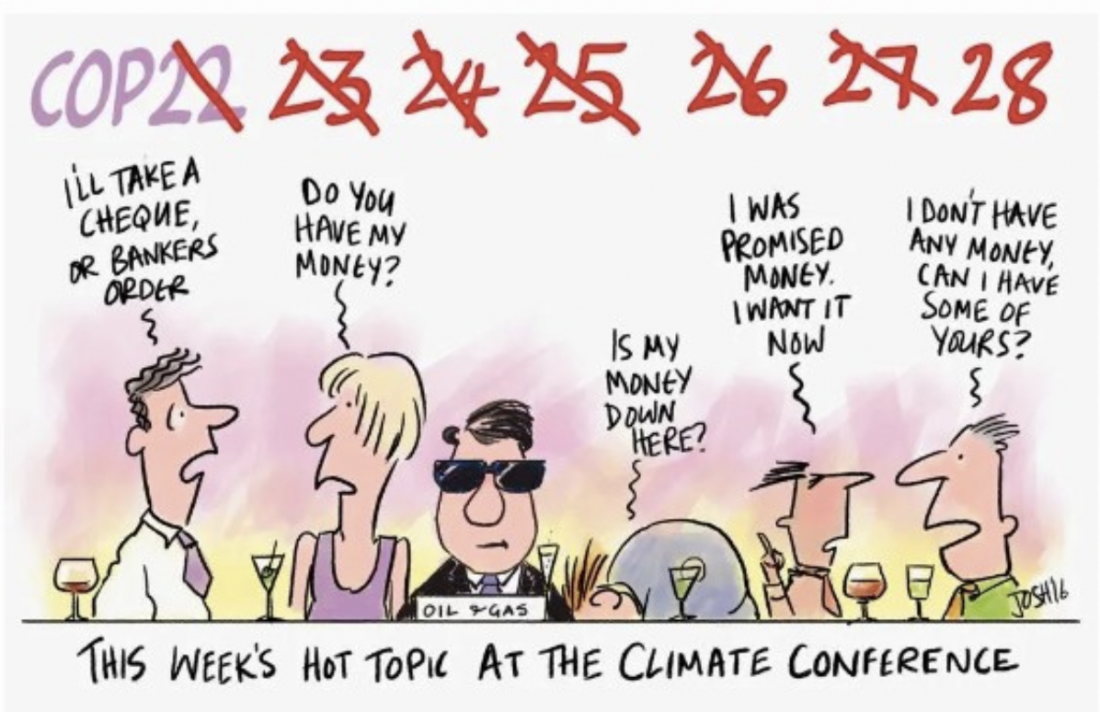
 (Source: Cartoons by Josh)
I had two objectives with this blog. One was to start summarizing COP28, which started on November 30th and is scheduled to close today. The second objective was to strongly encourage my students to follow up on the COP28 developments as they unfold by “promising” them that some of the figures that play a role in the meeting will be probed in the final exam that is scheduled for next week. From my perspective, the two objectives are complementary.
I asked AI through Google to define COP28; below is what I got:
Generative AI is experimental. Info quality may vary. Learn more
Here’s some data from COP28:
- Greenhouse gas emissions: The United Arab Emirates’ (UAE) greenhouse gas emissions increased by 7.5% in 2022, compared to a 1.5% increase globally.
- Temperature: The decade was the warmest on record, with more countries reporting record high temperatures than any other decade. The planet’s average surface temperature has risen about 2 degrees Fahrenheit (1 degrees Celsius) since the late 19th century.
- Glaciers: Glaciers thinned by roughly 1 meter per year.
- Sea ice: Sea ice loss was unprecedented.
- Fossil fuel lobbyists: At least 2,456 fossil fuel lobbyists registered to attend the summit, which is more than almost every other country delegation.
- Participants: A total of 100,446 delegates registered to attend the summit in person and virtually.
The two previous COP (Conference of the Parties) meetings that are relevant to COP28, are COP21 (also known as the meeting that framed the Paris Agreement), which was covered in a series of previous blogs (between November 2015 and January 2016), and last year’s meeting (COP27), which was covered in the November 22, 2022 blog.
The official site of COP28 is here.
The first item in the AI definition of COP28 is the obvious fact that it is being held in Dubai, the largest city in the United Arab Emirates (UAE), a country whose greenhouse gas emissions are increasing five times faster than global emissions. UAE is clearly a petrostate (see February 8, 2022 blog). AI got its “inspiration” from broader public opinion about conflicts between petrostates and the rest of the world, regarding how to mitigate and adapt to climate change. COP28’s president is Sultan Ahmed Al Jaber. He is also the minister of industry and advanced technology of the United Arab Emirates,[2] head of the Abu Dhabi National Oil Company (ADNOC),[3] and chairman of Masdar. Some think that the future of fossil fuels could be decided in Dubai.
The next three highlights stem from the warmest probed global temperature record of 2023, based on recordings such as those shown in Figure 2.
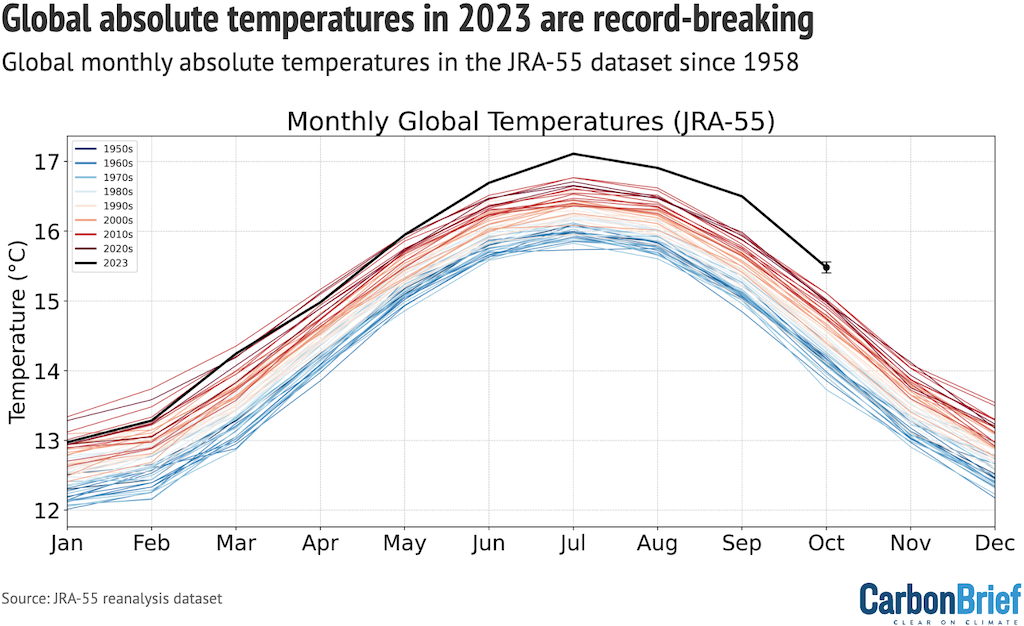
Figure 2 – 1950s-2023 global monthly absolute temperatures (Source: CarbonBrief)
The last two AI highlights are directly connected to lobbying and attendance. The number of lobbyists is enormous.
What are missing from the short AI description are important content descriptions that include intended global actions to limit methane emissions (the main component of natural gas), and the continuous issue of how much funding developed countries will provide for adaptation steps needed in the developing countries. Below, I will follow up with some details to rectify these two omissions:
Nov 27 (Reuters) – Delegates at this year’s U.N. COP28 climate summit are anxious to boost the world’s climate change agenda with concrete plans for clamping down on the second-most prominent greenhouse gas – methane.
While more than 150 countries have promised since 2021 to slash their methane emissions 30% from 2020 levels by 2030 under the U.S.- and EU-led Global Methane Pledge, few have detailed how they will achieve this.
The extent and the sources of these steadily growing emissions are shown in Figure 3 (taken from one of the links in the article above).
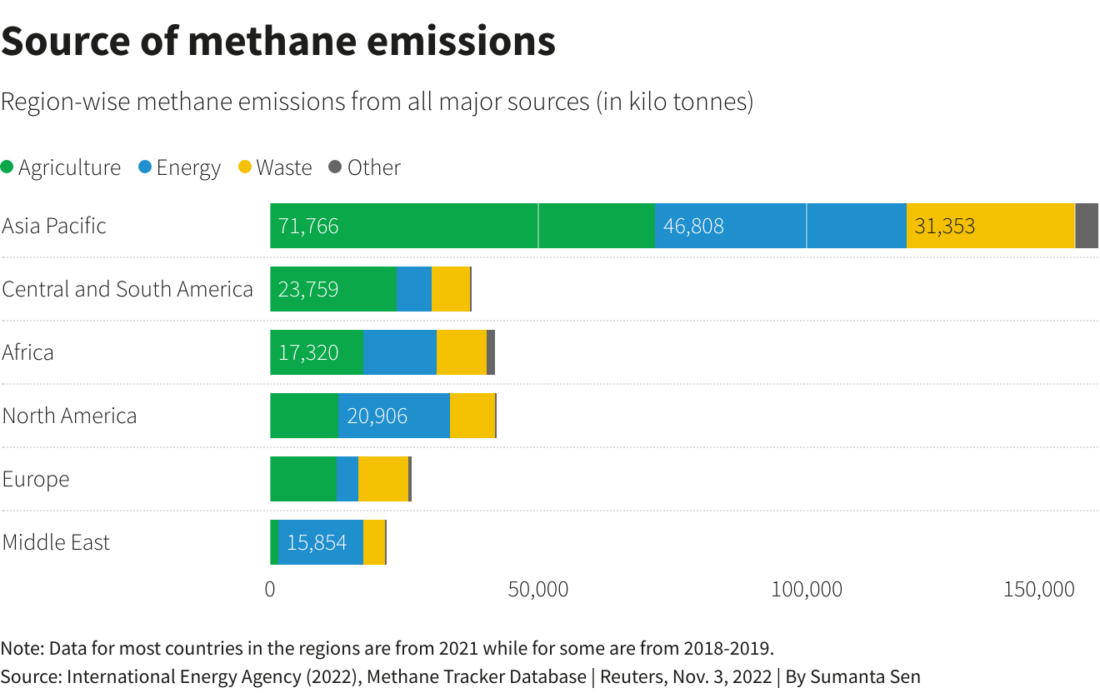
Figure 3 – Sources of methane emissions by region (Source: Reuters)
Loss and Damage Fund:
The need for a loss and damage fund was described in a previous blog (December 7, 2022). A decision was made to discuss the specifics of creating this new fund over 2023 and vote in COP28 over the proposed structure. The present situation is discussed in the following link:
Wealthy countries most responsible for the climate emergency have so far pledged a combined total of just over $700m (£556m) to the loss and damage fund – the equivalent of less than 0.2% of the irreversible economic and non-economic losses developing countries are facing from global heating every year.
In a historic move, the loss and damage fund was agreed at the opening plenary of the first day the Cop28 summit in Dubai – a hard-won victory by developing countries that they hoped would signal a commitment by the developed, polluting nations to finally provide financial support for some of the destruction already under way.
But so far pledges have fallen far short of what is needed, with the loss and damage in developing countries estimated by one non-governmental organisation to be greater than $400bn a year – and rising. Estimates for the annual cost of the damage have varied from $100bn-$580bn.
The present commitments are shown in Figure 4. The overall commitments, especially those of the United States, look pathetic.
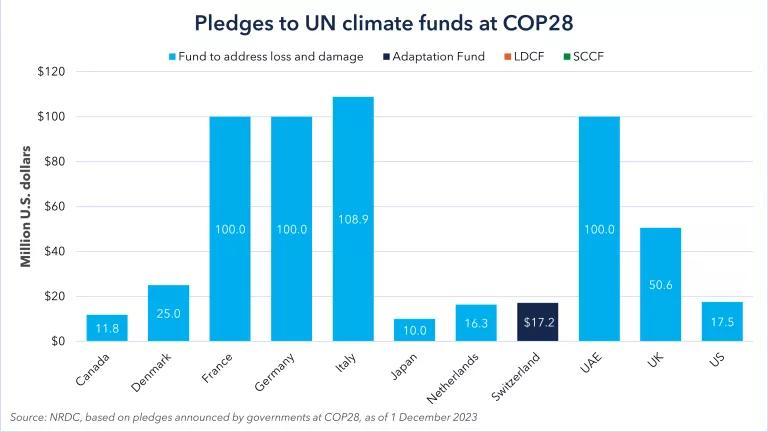 Figure 4 – Pledges to UN climate funds at COP28 (Source: NRDC)
However, close to the beginning of the meeting, VP Harris from the US made a much more adequate commitment
DUBAI, Dec 2 (Reuters) – The United States has pledged $3 billion to the Green Climate Fund, Vice President Kamala Harris said on Saturday in Dubai at the U.N. COP28 climate summit.
The fund, with more than $20 billion in pledges, is the largest international fund dedicated to supporting climate action in developing countries.
The latest pledge, which Reuters was first to report, would be additional to another $2 billion previously delivered by the United States.
It turns out that there is more than one fund dedicated to helping developing countries adapt and mitigate the impacts of climate change. The Green Climate Fund mentioned by VP Harris is the largest. The pledges to that fund as of April 2023 are shown in Figure 5; they do not include the COP28 pledge by VP Harris.
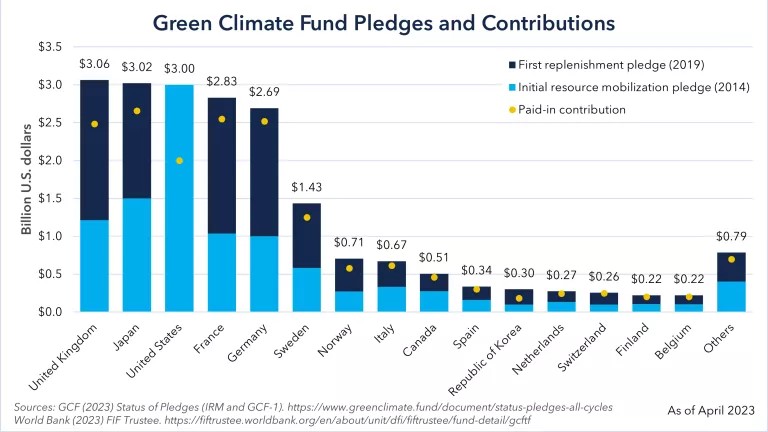
Figure 5 – Pledges and contributions to the Green Climate Fund (Source: NRDC)
Details about the activities that various funds are financing and the management of those funds will be discussed in future blogs. In next week’s blog, I will detour from this issue to address the important topic of how academic campuses are handling the current war situation in the Middle East.
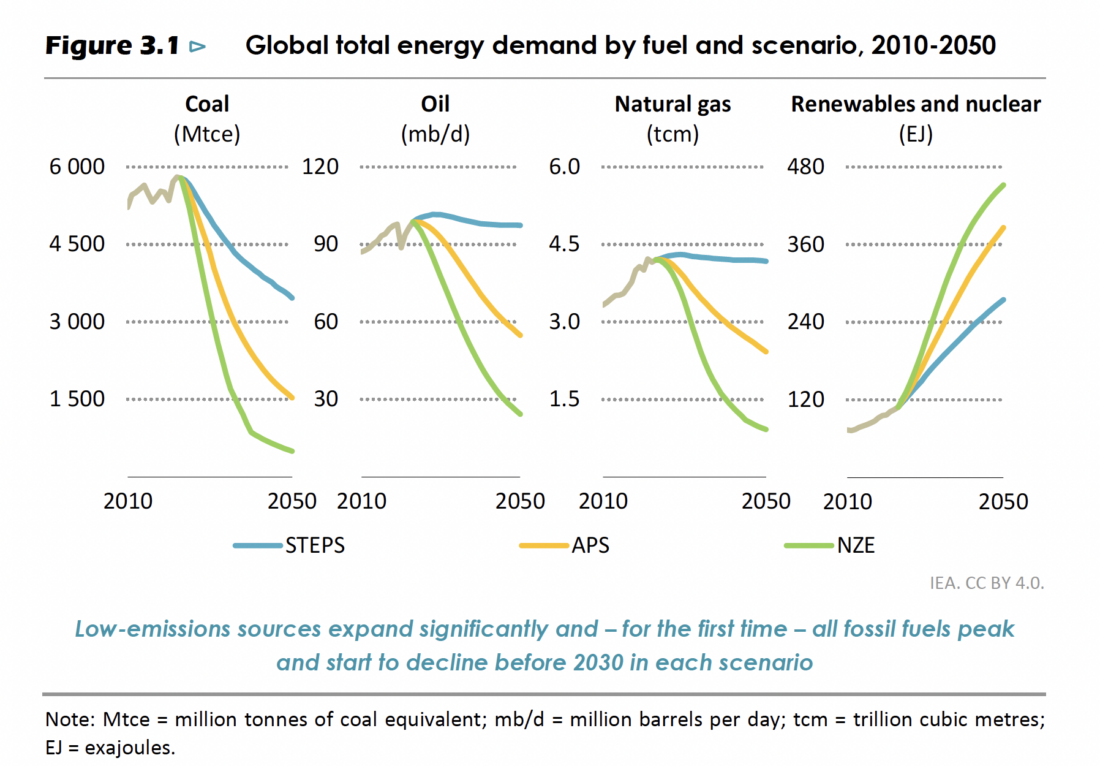



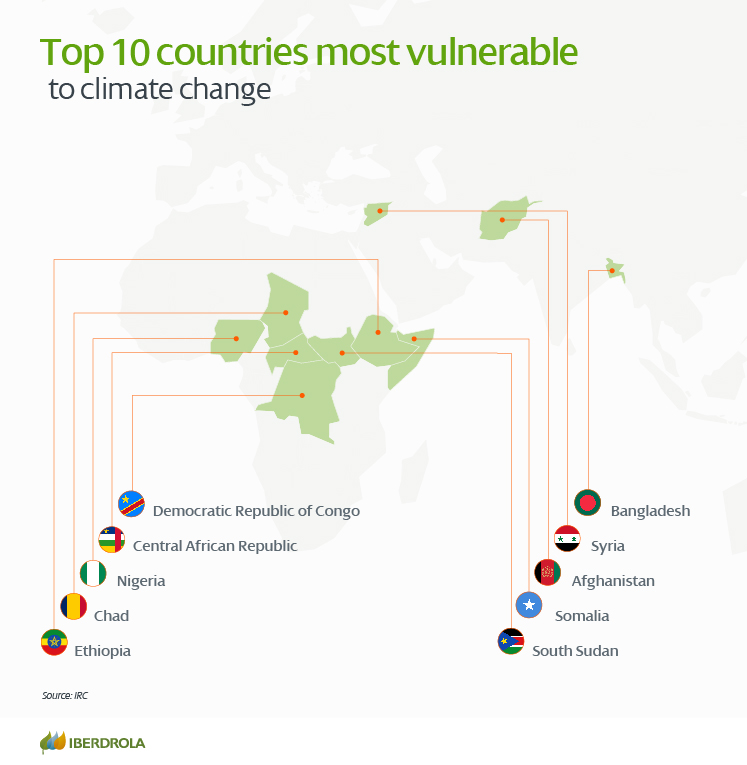 Figure 1 – The 10 countries most threatened by climate change in the 21st century (Source: IRC
 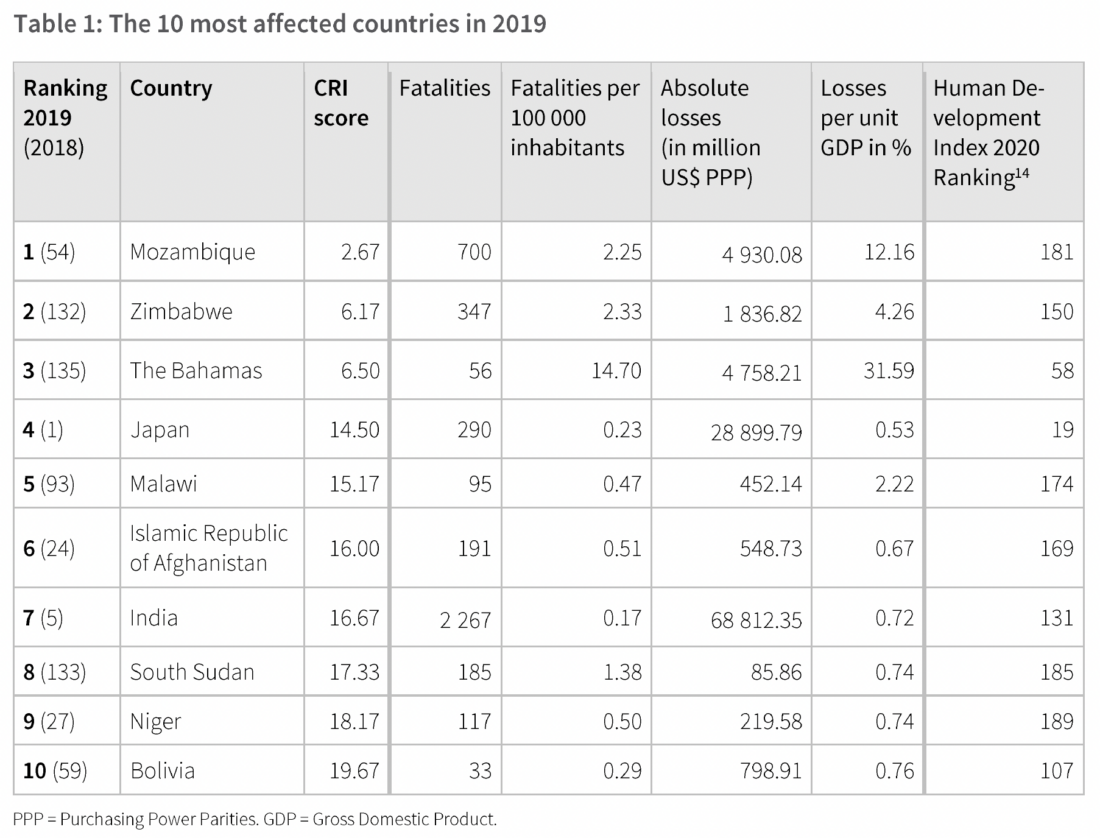 This ranking is independent of the ability to mitigate the damage, but with one exception (Japan) also includes only developing countries. This ranking is based on the Global Climate Risk Index (CRI), summarized below from the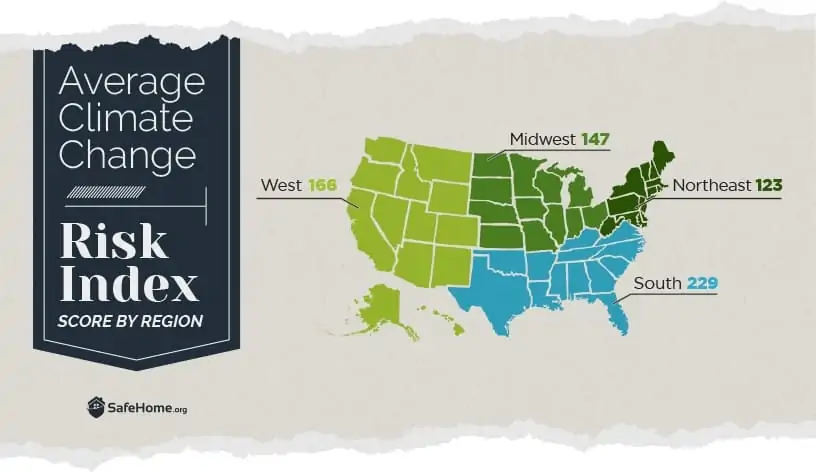
 Figure 1 – A subway ad for for CUNY highlighting different clubs
 Figure 2 – Another subway ad specifies the number of programs that CUNY runs
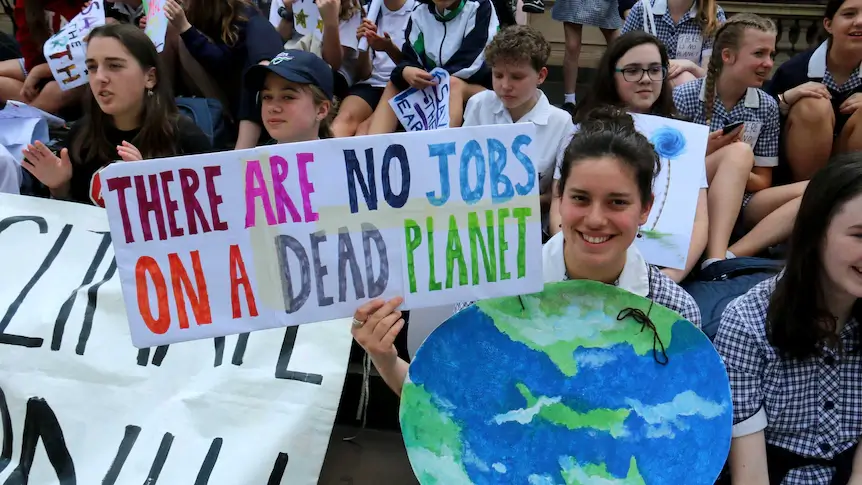 (Source: ABC News: Andie Noonan via